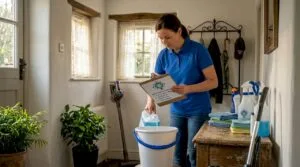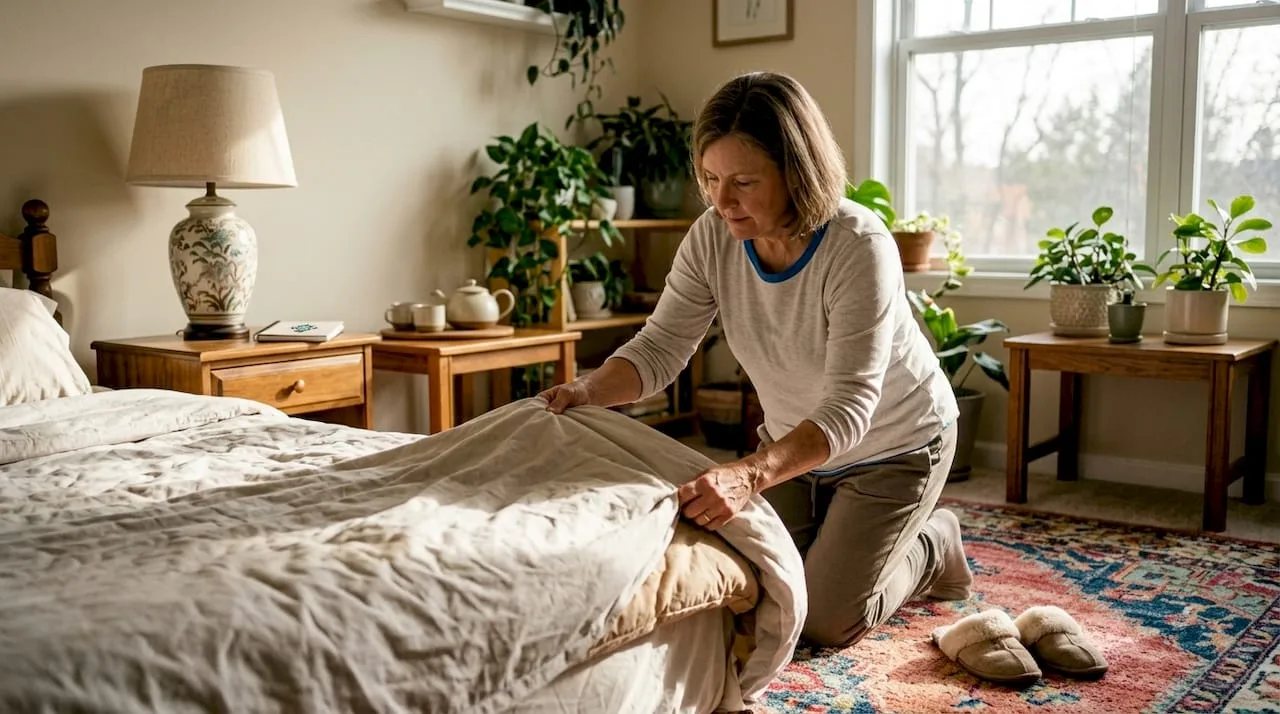
Woman removing bedding for dust mite cleaning
#image_title

What Is Dust Mite Cleaning? A Homeowner’s Guide

Dust mite cleaning is the active process of removing dust mites and their allergen proteins from your home to reduce allergy symptoms and improve indoor air quality. These microscopic creatures live in bedding, upholstery, and carpets, and their waste particles trigger sneezing, congestion, and asthma attacks in millions of people. The American Lung Association recognizes dust mites as one of the most common indoor allergens. Controlling them requires more than routine tidying. It demands specific techniques targeting the places where mites feed, breed, and accumulate.

What are dust mites and why is cleaning necessary?

Dust mites are microscopic arachnids, roughly 0.3 millimeters long, invisible to the naked eye. They feed on dead skin cells shed by humans and pets, which makes your bedroom the most dangerous room in the house for allergy sufferers. A single mattress can harbor millions of mites at once.

Dust mites thrive in warm, humid environments where dead skin cells accumulate. Carpets trap moisture and allergens especially well, making them a preferred habitat. Upholstered furniture and stuffed animals carry the same risk.

Cleaner vacuuming carpet to remove dust mites

The health problem is not the mites themselves. It is the proteins in their waste and body fragments. When disturbed, these particles become airborne and enter your respiratory system. People with asthma or allergic rhinitis react most severely, but even those without diagnosed allergies can experience irritation.

Routine cleaning alone does not solve the problem. A standard vacuum without proper filtration can actually scatter allergen particles back into the air. Targeted dust mite allergen control requires specific tools, temperatures, and habits applied consistently.

Key facts about dust mite biology and habitats:

  • Dust mites absorb moisture directly from the air, so humidity is their lifeline.
  • They cannot survive in temperatures above 130°F or in environments with relative humidity below 40%.
  • Bedrooms accumulate the highest concentration of dead skin cells, making them the primary target for any effective dust mite treatment.
  • Carpets and upholstery act as reservoirs, holding mites and allergens deep within fibers where surface cleaning cannot reach.
  • Clutter creates unreachable micro-habitats where mites reproduce undisturbed.

How to clean dust mites from bedding and upholstery

Bedding is ground zero for dust mite populations. You spend roughly eight hours a night in direct contact with your mattress and pillows, shedding skin cells the entire time. That makes weekly laundering the single most impactful step you can take.

Washing and drying at the right temperature

Washing bedding weekly in hot water at 130°F–140°F reliably kills dust mites. That temperature range is the Mayo Clinic standard, and it is not negotiable. Cold or warm water cycles leave mites alive.

Infographic showing dust mite cleaning steps

For items that cannot tolerate hot washing, such as wool blankets or decorative pillows, freezing works as an alternative. Freezing items for 24–48 hours kills the mites but does not remove the allergen proteins. Follow freezing with a gentle wash or thorough vacuuming to clear the debris.

Protective encasements and upholstery care

Allergen-proof mattress and pillow encasements create a physical barrier between you and the mite colony living inside your mattress. These covers are tightly woven to block mite movement and allergen escape. They are one of the most cost-effective long-term investments for allergy sufferers.

For upholstered furniture, a HEPA-filter vacuum is the correct tool. Standard vacuums pull surface debris but release fine allergen particles through their exhaust. HEPA filtration traps microscopic particles that standard filters miss, keeping allergens contained rather than redistributed.

Steps for cleaning bedding and upholstery effectively:

  1. Strip all bedding weekly and wash at 130°F–140°F. Include pillowcases, duvet covers, and mattress pads.
  2. Tumble dry on high heat for at least 30 minutes after washing to kill any surviving mites.
  3. Place delicate items in sealed plastic bags and freeze for 24–48 hours, then wash or vacuum to remove allergen residue.
  4. Encase mattresses and pillows in allergen-proof covers immediately after washing.
  5. Vacuum upholstered furniture with a HEPA-filter vacuum weekly, paying close attention to seams and cushion edges.
  6. Wash removable sofa covers monthly at the recommended hot temperature.

Pro Tip: After vacuuming your mattress, leave it uncovered for an hour before replacing bedding. Exposure to dry air reduces the surface moisture that mites need to survive.

How to clean floors and surfaces to reduce dust mites

Floors and hard surfaces are the second front in dust mite allergen control. Carpets are the worst offenders because their fibers trap mites, skin cells, and moisture at depths a vacuum cannot fully reach.

Flooring choices and vacuuming technique

Replacing wall-to-wall carpet with hard flooring is the most effective structural change a homeowner can make. Hardwood, tile, and laminate do not trap allergens the way carpet does. Mites and skin cells sit on the surface where a damp cloth or vacuum can remove them completely.

Vacuuming with HEPA filters weekly on all high-traffic areas is the standard recommendation. Bedrooms and living rooms need the most attention because those are where skin cells accumulate fastest. Vacuum slowly, making two passes in different directions over carpeted areas to lift embedded debris.

One step most homeowners skip: empty vacuum canisters outdoors. Emptying the canister inside the home releases a concentrated cloud of trapped allergens right back into your living space.

Dusting methods that actually work

Dry dusters and feather dusters are counterproductive. They lift particles off surfaces and suspend them in the air, where you breathe them in before they settle again. Damp microfiber cloths capture and hold dust rather than scattering it. For a full room-by-room approach to dusting, the room-by-room dusting guide from Smartcleaningwa covers each surface type in detail.

Pro Tip: Dust before you vacuum, not after. Dusting dislodges particles onto the floor, and vacuuming last captures everything that falls.

Surface typeBest cleaning methodFrequency
CarpetHEPA vacuum, two-pass techniqueWeekly
Hard floorsDamp microfiber mopWeekly
Upholstered furnitureHEPA vacuum, seams and cushionsWeekly
Hard surfaces and shelvesDamp microfiber clothWeekly
MattressHEPA vacuum, all sidesMonthly

Clutter removal is not optional. Reducing soft surfaces and clutter eliminates the micro-habitats where mites reproduce undisturbed. Bookshelves packed with knickknacks, piles of laundry on the floor, and stacks of magazines all create zones that are nearly impossible to clean thoroughly.

What environmental controls prevent dust mite growth?

Cleaning removes existing mites and allergens. Environmental controls stop new populations from establishing. Both are required for lasting allergen reduction.

The most powerful passive control is humidity management. Keeping indoor humidity below 40% prevents mites from absorbing the moisture they need to survive and reproduce. A basic dehumidifier in the bedroom costs less than a single allergy medication prescription and works around the clock.

Ventilation reinforces humidity control. Opening windows on dry days, running exhaust fans in bathrooms, and airing bedding outdoors in direct sunlight all reduce the moisture that mites depend on. Sunlight also has a mild sanitizing effect on fabric surfaces.

Environmental habits that reduce dust mite populations:

  • Run a dehumidifier in bedrooms and living areas, targeting a reading below 40% relative humidity.
  • Air bedding outdoors on dry, sunny days at least once a week.
  • Ventilate rooms daily, especially after sleeping, to reduce moisture buildup from breathing.
  • Avoid excessive soft furnishings like decorative throw pillows and fabric wall hangings that collect allergens.
  • Keep indoor temperatures moderate. Mites prefer warmth, so cooler rooms slow their reproduction.

Cleaning your HVAC and ventilation system also matters. Dust mites and their allergens circulate through ductwork and settle throughout the home. Addressing dust mites in ventilation systems is a step that most homeowners overlook but that significantly reduces whole-home allergen levels.

One method to avoid: steam cleaning carpets and upholstery. Chemical sprays and steam cleaning can worsen dust mite problems by adding moisture to fabrics, creating better conditions for mite growth. Physical removal through vacuuming and washing outperforms chemical approaches every time.

Key Takeaways

Dust mite cleaning combines hot-water washing, HEPA vacuuming, allergen-proof encasements, and humidity control below 40% to reliably reduce allergen exposure in the home.

PointDetails
Hot water washingWash bedding weekly at 130°F–140°F to kill mites at the source.
HEPA vacuumingUse a HEPA-filter vacuum weekly on carpets, furniture, and mattresses to trap allergens.
Humidity controlKeep indoor humidity below 40% using a dehumidifier to stop mite reproduction.
Allergen-proof encasementsCover mattresses and pillows with tightly woven encasements to block mite colonization.
Declutter and damp-dustRemove clutter and use damp microfiber cloths to capture allergens rather than scatter them.

What I’ve learned after years of watching people fight dust mites

Most homeowners attack the symptom instead of the system. They buy an air purifier, run it for a week, and wonder why their allergies persist. The mites are still in the mattress, still in the couch, still thriving in a bedroom with 60% humidity. The air purifier cannot reach any of that.

The single biggest shift I have seen make a real difference is treating the bedroom as a clinical environment. That sounds extreme, but it is practical. Allergen-proof encasements on every pillow and the mattress, bedding washed weekly at the right temperature, and a dehumidifier running at night. Those three changes alone reduce the most significant exposure point in the home.

The second thing people consistently get wrong is dusting. Dry dusters are everywhere in cleaning supply aisles, and they are nearly useless for allergen control. Switching to damp microfiber cloths felt like a minor change when I first recommended it, but the difference in settled dust levels within two weeks was obvious. Avoiding common cleaning mistakes like dry dusting is one of the fastest ways to see real improvement.

The third overlooked factor is the food source. Focusing on removing dead skin cells from mattresses, couches, and bedroom floors is more effective than targeting visible dust. Mites do not eat dust. They eat skin. Vacuum the places where you sit and sleep, not just the places that look dirty.

My honest recommendation: start with the bedroom, get the humidity under control, and build the habit before expanding to the rest of the house. Trying to overhaul every room at once leads to burnout and inconsistency. Consistency beats intensity every time with dust mite allergen control.

— Wilker

Professional cleaning for thorough allergen reduction

Dust mite cleaning done right takes time, the correct equipment, and consistent technique. For homeowners and renters who want results without the guesswork of building a full routine from scratch, professional cleaning delivers a measurable head start.

https://smartcleaningwa.com

Smartcleaningwa provides professional residential cleaning across the Greater Seattle Area, including deep cleaning services that target the high-allergen zones most people miss: mattress surfaces, upholstered furniture, baseboards, and hard-to-reach floor edges. Every service includes real-time updates and attention to the specific areas that drive allergen buildup. If you are ready to reduce allergens in your home with a thorough, professional clean, request a free estimate and see what a detail-focused team can do for your space.

FAQ

What is dust mite cleaning exactly?

Dust mite cleaning is the targeted process of removing dust mites and their allergen proteins from bedding, upholstery, carpets, and other surfaces using hot washing, HEPA vacuuming, and humidity control. It goes beyond routine cleaning to interrupt the mite life cycle and reduce allergen exposure.

How often should you clean to control dust mites?

Wash bedding weekly at 130°F–140°F and vacuum carpets, furniture, and mattresses with a HEPA-filter vacuum at least once a week. Environmental controls like dehumidifiers should run continuously to keep humidity below 40%.

Does freezing kill dust mites?

Freezing items for 24–48 hours kills dust mites on delicate fabrics that cannot be washed at high temperatures. Freezing does not remove allergen proteins, so follow it with vacuuming or a gentle wash to clear the residue.

Are chemical sprays effective for dust mite removal?

Chemical sprays are generally less effective than physical removal methods and can increase surface moisture, which promotes mite growth. HEPA vacuuming and hot washing outperform chemical treatments for reliable allergen reduction.

Can a regular vacuum remove dust mites?

A regular vacuum without HEPA filtration can worsen allergen levels by releasing fine particles back into the air through its exhaust. Only vacuums with HEPA filters effectively trap dust mite allergens during cleaning.