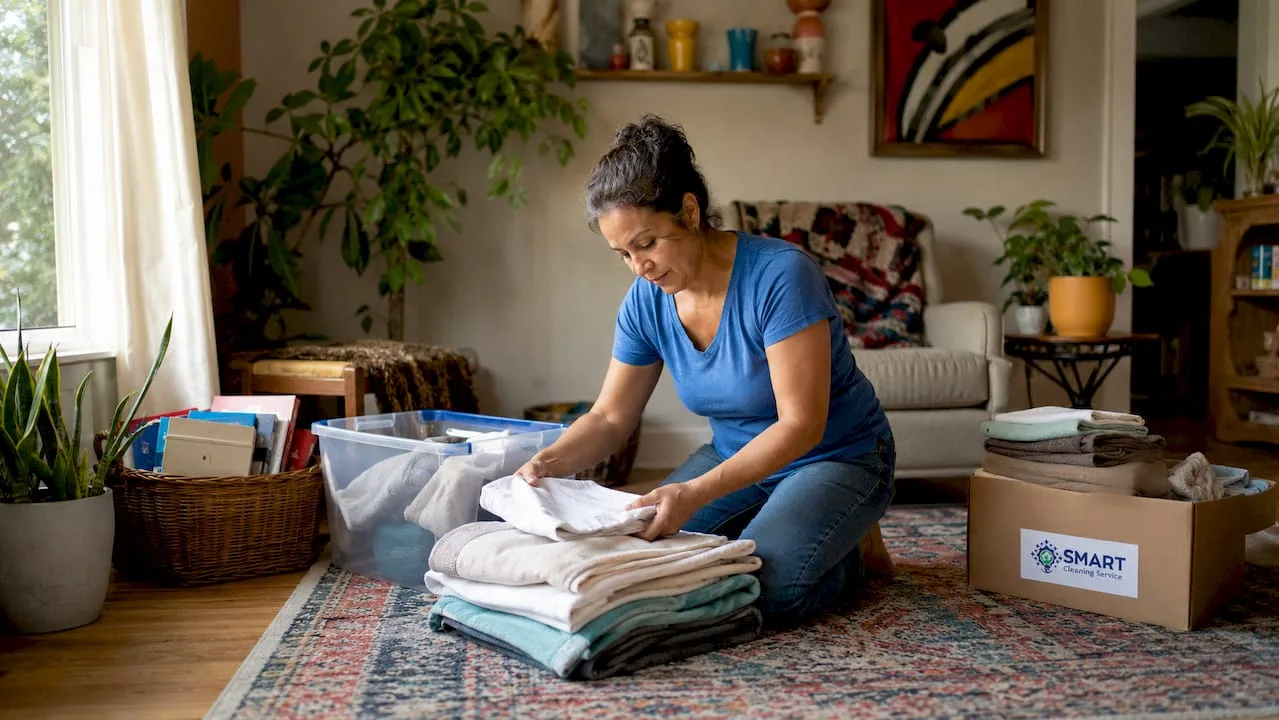
Preparing your home for cleaners is defined as decluttering surfaces and floors, securing valuables, and communicating your priorities before the team arrives. This is not about scrubbing toilets or mopping floors. It is about creating a clear canvas so professional cleaners can focus entirely on deep cleaning. Homeowners who know how to prepare for cleaners get more thorough results from every appointment. The steps below are practical, field-tested, and built around what actually moves the needle.
1. How to prepare for cleaners: start with the floors
Decluttering floors and countertops lets cleaners work efficiently and focus on cleaning rather than tidying. Professional cleaners follow a top-down method: they dust ceilings and corners first, wipe surfaces next, and vacuum or mop floors last. If the floor is covered in shoes, toys, or laundry, that final step gets delayed or skipped entirely.
Walk through each room before your appointment. Pick up anything on the floor that does not belong there: clothes, bags, kids’ toys, pet items. Toss them into a hamper, a closet, or a designated basket. You do not need to organize them perfectly. You just need them off the floor.
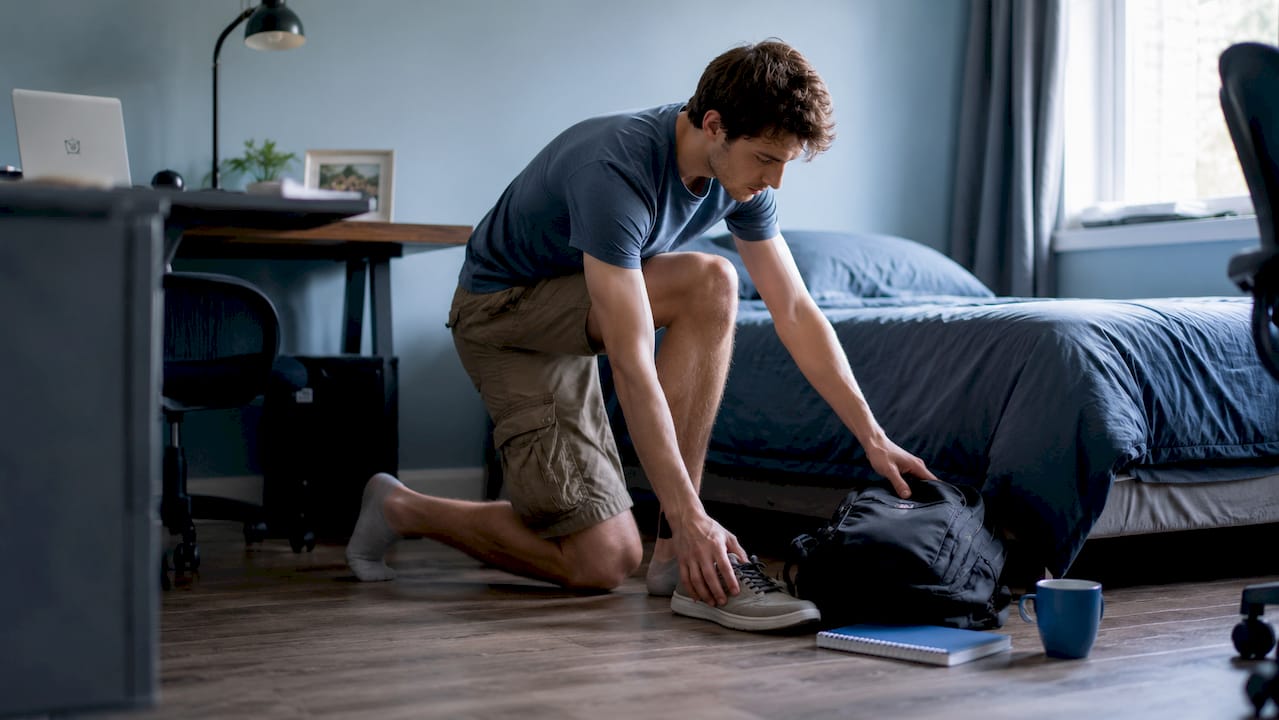
Pro Tip: Set a 10-minute timer and do one fast sweep of every room. Speed matters more than perfection here.
2. Clear counters, tables, and vanities
Countertops covered in mail, appliances, and personal items force cleaners to work around obstacles instead of wiping surfaces clean. A clear counter takes 30 seconds to wipe down. A cluttered one takes three minutes and still gets missed in spots.
Remove items from kitchen counters that you do not use daily. Do the same for bathroom vanities: move out the makeup bags, the electric toothbrush, the half-empty bottles. The cleaning service checklist from Smartcleaningwa breaks this down room by room if you want a structured reference.
3. Use the clutter basket method
The clutter basket method is an efficient way to quickly gather stray items before a cleaning appointment. Grab one container per floor of your home. Walk through each room and drop in anything that is out of place. Move the basket to a closet or bedroom. Done.
This technique works because it removes the decision-making from the process. You are not sorting or organizing. You are simply clearing the space so cleaners can access every surface. After the appointment, you sort the basket at your own pace.
4. Secure valuables, jewelry, and private documents
A home cleaning visit can include kitchens, bathrooms, accessible surfaces and floors. Share the areas you want addressed and confirm the tasks in your quote.
Put jewelry in a drawer or a lockbox. File away any sensitive documents. Move fragile heirlooms off open shelves if they are in high-traffic cleaning zones. This protects both you and the cleaning team from awkward situations.
- Jewelry and watches: store in a closed drawer or safe
- Cash: move to a wallet or locked box
- Prescription medications: keep in a medicine cabinet
- Fragile collectibles: relocate to a low-traffic shelf or closet
- Private documents: file or lock away before the team arrives
Pro Tip: Take a quick photo of any valuables you move. It takes 10 seconds and removes any doubt later.
Cleaning Products and Preferences
Pets should be secured in a designated room or crate during cleaning visits. Cleaning appointments stress many animals. Open doors, unfamiliar people, and the noise of vacuums can cause pets to bolt, hide, or act aggressively.
We use one standard line of professional cleaning products. We don’t supply a separate eco-friendly or pet-friendly product line. If you want a specific product used, please supply it and discuss it with the office before the visit. The team may decline products that aren’t suitable for the task or surface. Related reading: pet owner cleaning needs.
Tell your cleaning team about your pet before they arrive. Mention any behavioral quirks: a dog that barks at strangers, a cat that darts through open doors. This one heads off problems before they start.
6. Communicate access details and priorities
Clear instructions and access details prevent missed appointments and wasted trips. If you will not be home, leave a lockbox code, a key with a neighbor, or a gate entry code in writing. Do not assume the team has this from a previous visit.
Write down your top three cleaning priorities before the appointment. Is the kitchen the most important room? Do you need the bathrooms done first? Are there any areas you want skipped entirely? The role of communication in cleaning services is direct: clients who specify priorities get results that match their expectations.
- Confirm entry method: lockbox code, key, or someone home
- List your top three priority rooms or tasks
- Note any “no-go” zones: a home office, a child’s room, a storage area
- Flag any surfaces needing special products, such as marble countertops or hardwood floors
- Mention any recent repairs or wet paint that cleaners should avoid
Understanding surface preparation needs for specific materials like stone or sealed wood helps you communicate the right instructions to your team.
7. Alert cleaners to special surfaces
Some surfaces require specific cleaning products. Marble countertops etch with acidic cleaners. Hardwood floors warp with too much water. Stainless steel shows streaks from the wrong cloth. If your home has any of these, tell your cleaning service before the appointment, not during it.
Clients do not need to purchase extra supplies because professionals bring their own. The exception is when a surface requires a product the homeowner already uses and prefers. In that case, leave the product out with a note explaining where and how to use it. Smartcleaningwa’s resource on cleaning supply types explains what professionals typically carry and what gaps you might need to fill.
8. What not to do before cleaners arrive
Standard cleaning services do not require pre-cleaning like scrubbing or vacuuming. Doing these tasks yourself before a professional appointment means paying for work you already did. It also reduces the time cleaners can spend on deeper tasks, which cuts into the value of the appointment.
- Do not scrub the bathtub or toilet before the team arrives
- Do not mop or vacuum floors
- Do not wash dishes unless your service specifically excludes them
- Do not buy cleaning products unless a special surface requires it
- Do not rearrange furniture to “help” , leave rooms as they normally sit
The right mindset is this: tidying before a cleaning is about creating a blank canvas. Scrubbing is unnecessary and counterproductive.
9. Strip beds if bed-making is part of your service
Professional cleaners expect linens ready for bed-making to optimize appointment time. If your service includes making beds, strip the sheets and leave fresh linens on the mattress or a nearby chair before the team arrives. This one step saves five to ten minutes per bedroom.
If bed-making is not part of your package, leave beds as they are. Cleaners will work around them. Confirm this detail with your service provider when you book, not on the day of the appointment.
10. Set the temperature and prepare the space
A comfortable home temperature helps cleaners work at full capacity. A house that is too hot or too cold slows the work down. Set your thermostat to a moderate temperature before the team arrives, especially in summer or winter.
Make sure all rooms are accessible. Unlock any doors that are normally kept closed if those rooms are part of the service. Move cars from the driveway if cleaners need access to a garage or utility area. Small logistical details like these prevent delays that eat into your appointment time.
Pro Tip: Leave a short written note on the kitchen counter with your priorities, access details, and any special instructions. A note takes two minutes to write and removes all guesswork.
Key Takeaways
Preparing your home for cleaners means decluttering surfaces, securing valuables, and communicating priorities so professionals can focus entirely on deep cleaning.
| Point | Details |
|---|---|
| Declutter before the team arrives | Clear floors and counters so cleaners can access every surface without moving your belongings. |
| Secure valuables and pets | Products discussed before service |
| Communicate access and priorities | Share entry codes, list your top rooms, and flag any special surfaces before the appointment. |
| Skip the pre-cleaning | Do not scrub, vacuum, or mop before professionals arrive. It wastes your time and theirs. |
| Prepare beds and linens | Strip beds and leave fresh linens out only if bed-making is included in your service package. |
Practical considerations for your cleaning plan
The single most common mistake I see is homeowners spending an hour cleaning before the cleaners arrive. They scrub the sink, wipe the stove, and vacuum the living room. Then they feel guilty that the house “isn’t that dirty” when the team shows up. That guilt is misplaced. You hired professionals to clean. Let them clean.
The second mistake is the opposite: assuming zero preparation is needed. Cleaners who walk into a floor covered in laundry and a counter buried under mail cannot do their best work. They spend the first 20 minutes moving things around instead of cleaning. That time comes out of your appointment, not theirs.
The preparation sweet spot is simple. Declutter the surfaces. Secure what matters. Write down your priorities. That is genuinely all it takes. Clients who do these three things consistently get better results, faster appointments, and fewer follow-up complaints. The preparation is not about making the cleaner’s job easier out of politeness. It is about getting the most out of what you are paying for.
One more thing: be honest about your home’s condition when you book. A home that has not been cleaned in six months needs a deep clean, not a standard visit. Booking the right service type from the start means the team arrives with the right time, tools, and expectations.
Smartcleaningwa makes professional cleaning straightforward
The work for your visit should be agreed in the quote. Our team focuses on cleaning accessible surfaces, kitchens, bathrooms and floors, with additional priorities discussed before the appointment.
When you book with Smartcleaningwa, you get a team that already knows what to expect from a well-prepared home. You handle the decluttering. They handle everything else. Check out residential cleaning in Seattle to see how professional teams work through a home efficiently. Ready to schedule? Get a free cleaning estimate and find out what your home needs.
FAQ
What should I do before cleaners arrive?
Declutter floors and counters, secure valuables and pets, and leave written instructions with your priorities and entry details. You do not need to scrub or vacuum before the team arrives.
Do I need to clean before the cleaning service comes?
No. Pre-cleaning like scrubbing or mopping is unnecessary and reduces the value of your appointment. Tidying and decluttering are all that is needed.
Should I be home when cleaners come?
You do not need to be home. Leave a lockbox code or key and written instructions covering priorities, no-go zones, and any special surface needs.
Do I need to buy cleaning supplies for the cleaners?
Professional cleaners bring their own supplies. The only exception is if a specific surface in your home requires a product you already own and prefer. Leave it out with a note.
How do I handle my pets during a cleaning visit?
Secure pets in one room or a crate before the team arrives. Let your cleaning service know about any behavioral issues in advance so the visit goes smoothly for everyone. For home visits, we send you a message when we’re on our way and another when the cleaning is finished.
Recommended
- 10 Ways to Improve Cleaning Results at Home
- Smart Cleaning Service™ House Cleaning Seattle Kirkland Bellevue Redmond
- Smart Cleaning Service™ House Cleaning Seattle Kirkland Bellevue Redmond
- Smart Cleaning Service™ House Cleaning Seattle Kirkland Bellevue Redmond