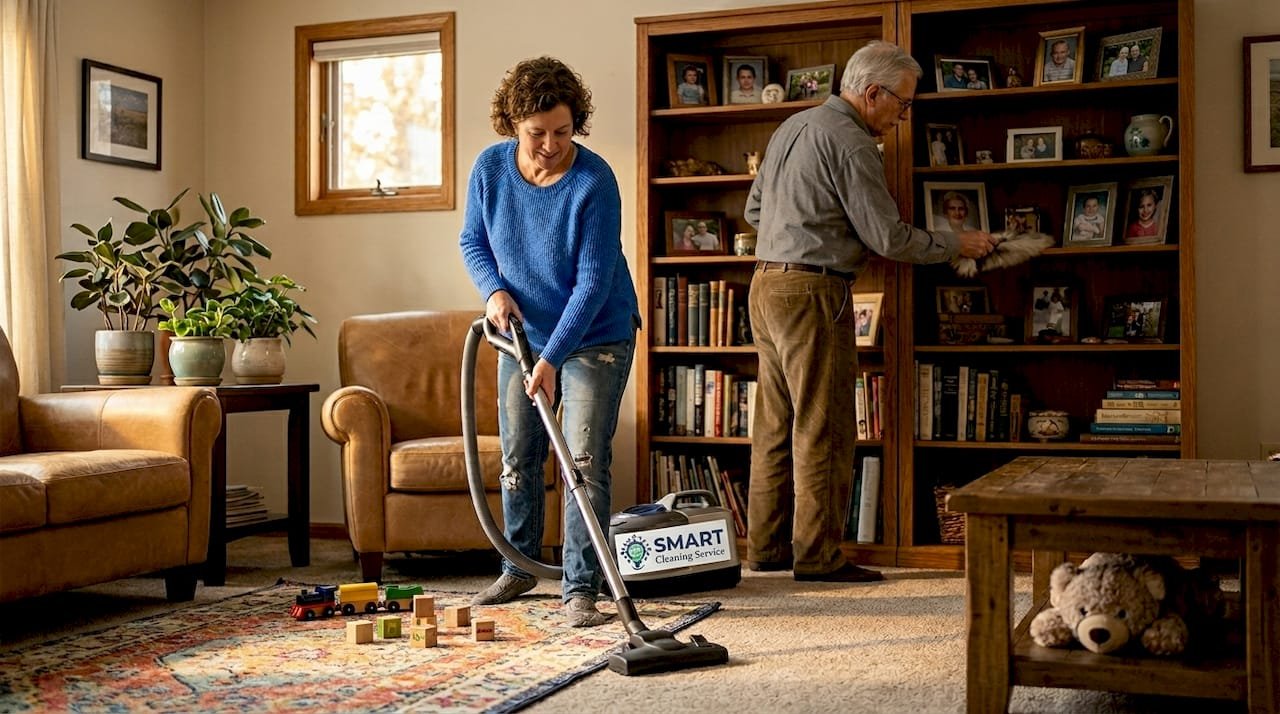
Most homeowners assume that cleaning more often automatically means a cleaner, healthier home. That assumption is only partially right. The role of cleaning frequency is more nuanced than simply scrubbing harder or cleaning daily without a plan. How often you clean specific areas, in what order, and with what consistency determines whether your home actually stays hygienic or just looks clean on the surface. This article breaks down the science, the practical room-by-room guidelines, and the layered scheduling strategies that make the real difference between effort and results.
Table of Contents
- Key takeaways
- The role of cleaning frequency on allergens and hygiene
- Cleaning by risk, not just by the clock
- Daily, weekly, and monthly: how layered schedules work
- Making your cleaning schedule actually stick
- Why cleaning frequency affects more than just cleanliness
- My take on what most people get wrong about cleaning frequency
- Keep your home consistently clean with Smartcleaningwa
- FAQ
Key takeaways
| Point | Details |
|---|---|
| Frequency beats intensity | Consistent short cleaning sessions outperform infrequent deep scrubs for allergen and grime control. |
| Risk determines timing | Clean based on how often a surface is touched or used, not just by the calendar. |
| Layered schedules save time | Daily, weekly, and monthly tasks work together and reduce overall cleaning effort by up to 50%. |
| Habits reduce mental load | Cleaning tasks repeated daily become automatic within two to three weeks, cutting fatigue. |
| Professional support sustains results | Scheduled professional cleaning fills gaps that regular household routines miss. |
The role of cleaning frequency on allergens and hygiene
Here is something most people do not realize. Allergens do not accumulate at a steady, predictable pace. They rebound fast when cleaning lapses. Missed weekly bedding washing can let dust-mite populations and allergen levels double within just two to three weeks under normal indoor conditions. That is not a gradual drift. That is an exponential climb that affects sleep quality, respiratory health, and overall comfort before most people notice anything is wrong.
The effects of cleaning frequency on microbial buildup follow a similar pattern. Bacteria and mold spores settle on surfaces continuously. When you clean at consistent intervals, you interrupt the cycle before colonies establish. When you wait too long, you are no longer preventing buildup. You are fighting it.
“Early intervention prevents grime bonding, leading to faster and easier weekly cleaning sessions.” Short daily routines that take five to ten minutes prevent residue from hardening onto surfaces. The result? Daily short cleaning routines reduce total weekly cleaning time by roughly 30 to 50 percent over three to six months of consistent practice.
That compounding benefit is the most underappreciated part of the importance of a cleaning schedule. You are not just keeping things tidy. You are making every future cleaning session shorter, cheaper in terms of product use, and less physically demanding.
Cleaning by risk, not just by the clock
The biggest mistake most homeowners and tenants make is assigning the same cleaning frequency to every room or surface. Your dining table and your light switches are not equal. One holds your meals. The other gets touched by every person in your household dozens of times a day.
High-touch surfaces carry significant microbial contamination and require cleaning frequency based on exposure and risk, not fixed schedules. That means your light switches, door handles, faucet handles, toilet flush levers, and refrigerator door pulls deserve daily attention even when they look clean.
Here is a practical breakdown by area:
- Kitchen: Countertops and sink should be wiped daily. Stovetop after each use. Inside the refrigerator monthly. Cabinet fronts weekly.
- Bathrooms: Toilet handle, seat, and sink faucet daily. Full bathroom scrub weekly. Grout and tile deep clean monthly.
- Living areas: High-touch remotes, switches, and handles daily. Vacuuming and dusting weekly. Upholstery and ceiling fans monthly.
- Bedrooms: Bedding weekly. Hard surfaces and light switches weekly. Mattress and under-bed cleaning monthly.
| Surface or area | Recommended frequency | Primary reason |
|---|---|---|
| Door handles and light switches | Daily | High-touch, high transmission risk |
| Kitchen counters and sink | Daily | Food contact and moisture |
| Toilet and bathroom faucet | Daily | Pathogen concentration |
| Floors and vacuuming | Weekly | Dust and allergen accumulation |
| Bedding and pillowcases | Weekly | Dust mite and skin cell buildup |
| Appliance interiors | Monthly | Grease, mold, and odor buildup |
| Windows and blinds | Monthly/Seasonal | Dust and UV degradation of surfaces |
Cleaning high-touch surfaces at least once a day reduces illness transmission risk meaningfully. In high-traffic shared spaces, frequency may need to increase further. For most households, daily wiping of key surfaces combined with a structured weekly routine covers the majority of real health risk.
Daily, weekly, and monthly: how layered schedules work
Thinking of cleaning frequency as a single setting misses how cleaning actually works. The most effective approach layers three distinct tiers of activity that complement each other.
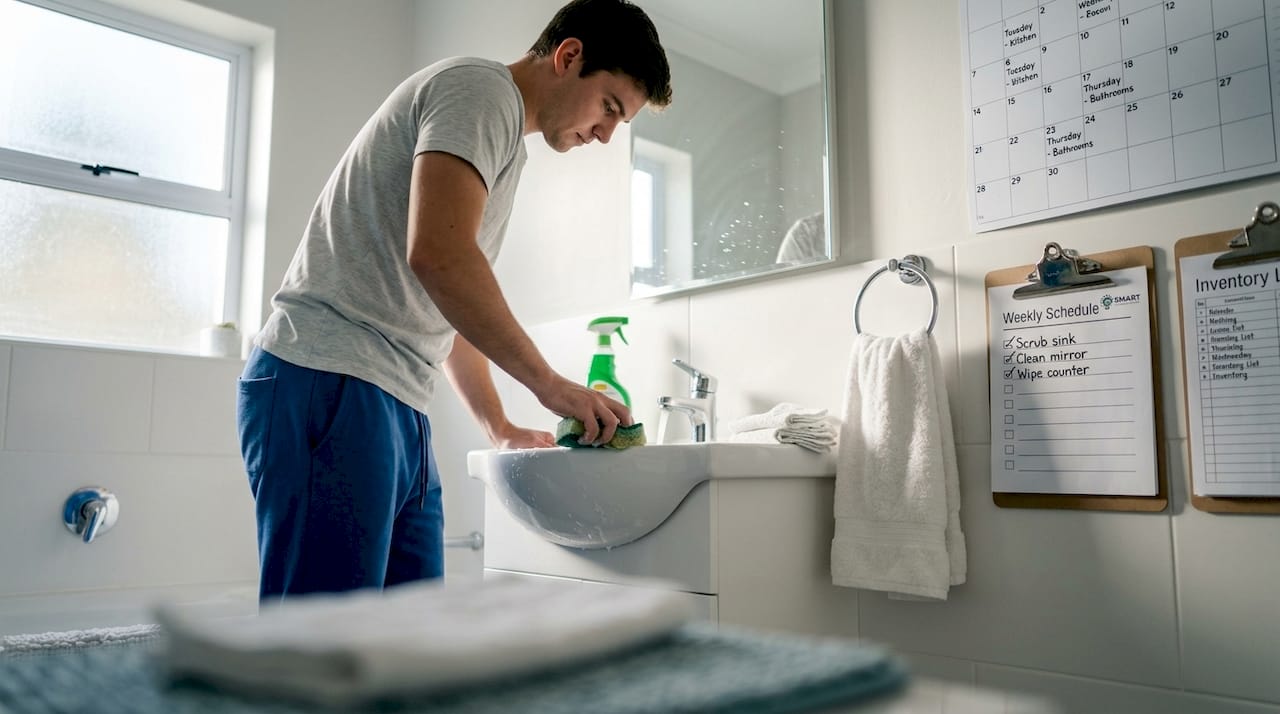
Daily maintenance is the tier most people undervalue. These are five to fifteen minute tasks performed at the same time each day. Wiping down the stovetop, loading the dishwasher, doing a quick bathroom wipe, and clearing clutter from counters. When these are done consistently, cleaning tasks become automatic after two to three weeks, which means you stop dreading them and start doing them on autopilot.
Weekly cleaning is where hygiene gains compound. This tier covers vacuuming, mopping, scrubbing the toilet and shower, changing bedding, and cleaning bathroom mirrors and kitchen appliances. If the daily tier is running smoothly, weekly sessions drop from two hours to under an hour in most homes.
Monthly and seasonal deep cleaning is the tier most homeowners skip or delay until something goes visibly wrong. Cleaning deep into a house on a monthly cycle addresses areas that accumulate silently: baseboards, inside drawers and cabinets, air vents, window tracks, and the spaces behind large appliances. Skipping this tier does not just mean more work later. It means allergens and mold have uncontested time to establish.
| Frequency tier | Example tasks | Typical time investment |
|---|---|---|
| Daily | Wipe counters, clear clutter, wipe handles | 5 to 15 minutes |
| Weekly | Vacuum, mop, scrub bathroom, change bedding | 45 to 90 minutes |
| Monthly | Deep clean appliances, baseboards, vents, windows | 2 to 4 hours |
Pro Tip: Set a recurring phone reminder for monthly tasks tied to the first weekend of each month. Treating it like a scheduled appointment instead of a spontaneous project makes it happen consistently.
The cleaning routine effectiveness of this layered system depends on not letting one tier collapse. When daily habits slip for a week, weekly sessions get harder. When weekly sessions get skipped for a month, your monthly deep clean turns into a half-day project. The tiers protect each other.
Making your cleaning schedule actually stick
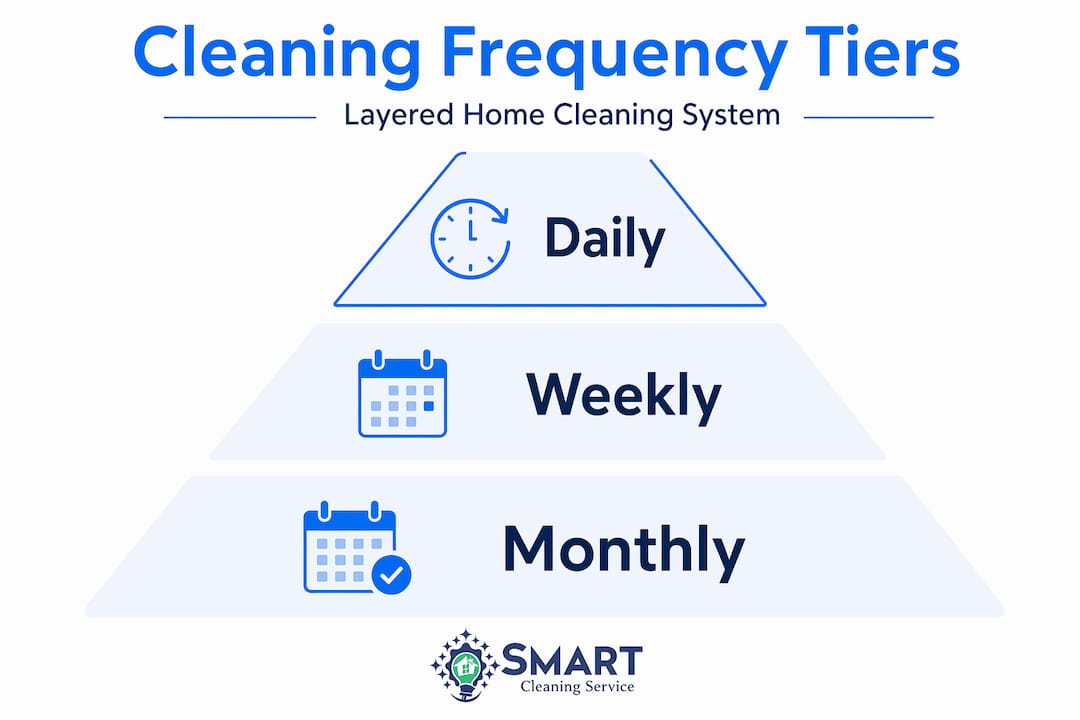
Knowing how often to clean is only half the challenge. The other half is execution without burning out. These practical steps make the difference between a schedule that lasts and one that falls apart after three weeks.
- Batch tasks by room, not by task type. Cleaning all surfaces in the bathroom at once is faster than doing all counters across the whole house. Room batching reduces setup time and mental switching.
- Cap your sessions by time, not by completion. Set a twenty-minute timer for daily maintenance. When it ends, stop. This prevents cleaning from expanding into an hour-long project and keeps the habit sustainable.
- Match tools to frequency. For daily surface wiping, keep microfiber cloths and a spray bottle in each major room. Friction from inconvenient supply storage is one of the most underestimated reasons cleaning routines fail.
- Adjust for seasons and life events. Allergy season, illness, guests, or a new pet all warrant temporarily increasing cleaning frequency. Having a flexible but written schedule makes these adjustments easier to execute without losing the baseline.
- Watch out for over-cleaning. Using harsh disinfectants daily on wood surfaces, stone countertops, or fabric damages materials over time. Match the cleaning agent to the surface and disinfectant contact times to avoid causing more harm than good.
Pro Tip: Keep a simple whiteboard or sticky note checklist inside a cabinet door to track daily and weekly tasks. Visible progress cues are more effective than app reminders for building household cleaning habits.
Why cleaning frequency affects more than just cleanliness
The cleaning frequency benefits extend well beyond hygiene. Proper cleaning frequency contributes to higher property maintenance standards, increases tenant satisfaction, and supports healthy living environments. For homeowners, that translates directly to property value. Well-maintained homes show better, sell faster, and command stronger prices than homes with deferred cleaning and maintenance.
For tenants, consistent cleaning directly affects your relationship with your landlord and your security deposit. A cleaning schedule maintained throughout your tenancy protects finishes, grout, and appliances from the kind of gradual degradation that results in end-of-lease deductions.
The health benefits are just as concrete:
- Reduced exposure to dust mites, mold spores, and pet dander improves respiratory health, particularly for children and anyone with allergies or asthma.
- Lower bacterial load on kitchen and bathroom surfaces reduces foodborne illness and general infection risk.
- A consistently clean space reduces the psychological stress that clutter and mess create, which research increasingly links to elevated cortisol levels.
- Regular cleaning preserves finishes and surfaces, reducing the cost of repairs and replacement over time.
Professional cleaning services help homeowners maintain effective cleaning frequencies and improve home hygiene in a sustained way. Scheduled professional visits fill the gaps between household routines, particularly for deep cleaning tasks that get deprioritized in busy households. For Seattle area homeowners and tenants, that kind of reliable backup can make the difference between a home that stays healthy year-round and one that only gets properly cleaned twice a year.
My take on what most people get wrong about cleaning frequency
I have worked in residential cleaning long enough to see a clear pattern. Most clients come to us not because their homes are never cleaned. They come because their cleaning does not have a structure. They clean reactively, when things look bad, which means they are always playing catch-up.
What I have learned is that the compounding effect of consistent cleaning frequency is genuinely hard to believe until you experience it. People assume that cleaning less often saves time. In reality, it creates significantly more work per session. Grime that is wiped up daily takes seconds. Grime that has bonded to a surface for three weeks takes products, scrubbing, and sometimes replacement.
The most common misconception I hear from clients is that a deep clean every few months is a substitute for regular maintenance. It is not. A deep clean resets a baseline. Regular cleaning holds that baseline. Without the routine in between, you are just paying to reset the same mess repeatedly.
My honest advice: stop thinking about cleaning as a chore you perform and start treating it as a system you maintain. A system has structure, timing, and accountability. It does not rely on motivation. The homes I see that stay cleanest year-round are not cleaned by people who love cleaning. They are cleaned by people who have made the schedule automatic. That shift in thinking changes everything.
— Wilker
Keep your home consistently clean with Smartcleaningwa
Knowing the right cleaning frequency is one thing. Executing it week after week while managing work, family, and everything else in between is another challenge entirely.
Smartcleaningwa provides recurring house cleaning, deep cleaning, move-in and move-out cleaning, and Airbnb turnover services across the Greater Seattle Area. Whether you need a weekly cleaning service to hold your baseline or a thorough deep cleaning session to reset your home after a long stretch, the team at Smartcleaningwa is licensed, insured, and focused on consistent results. Real-time updates and reliable communication mean you are never guessing whether your home is in good hands. Explore residential cleaning options and find a schedule that fits your home and lifestyle.
FAQ
How does cleaning frequency affect indoor air quality?
Consistent cleaning removes dust, mold spores, and allergens before they accumulate and circulate through your air. Allowing weekly tasks like vacuuming and bedding changes to lapse can let dust-mite allergen levels double within two to three weeks.
How often should high-touch surfaces be cleaned at home?
High-touch surfaces like door handles, light switches, and faucet handles should be wiped down at least once daily. During illness or high-traffic periods, increasing that frequency further reduces transmission risk.
What is the most effective cleaning schedule for a home?
A layered approach works best: five to fifteen minutes of daily maintenance, a focused weekly session of forty-five to ninety minutes, and a monthly deep clean covering vents, baseboards, and appliances. Each tier supports the others.
Does cleaning more often always mean better results?
Not automatically. Cleaning the wrong surfaces too frequently with harsh products can damage finishes. The key is matching cleaning frequency and method to each surface’s actual risk and usage level, not simply cleaning everything more often.
Can a professional cleaning service help maintain the right cleaning frequency?
Yes. Professional cleaners complement household routines by handling deep cleaning tasks that busy schedules push aside, helping homeowners sustain consistent hygiene without burnout.
Recommended
- Smart Cleaning Service™ House Cleaning Seattle Kirkland Bellevue Redmond
- Smart Cleaning Service™ House Cleaning Seattle Kirkland Bellevue Redmond
- Smart Cleaning Service™ House Cleaning Seattle Kirkland Bellevue Redmond
- Smart Cleaning Service™ House Cleaning Seattle Kirkland Bellevue Redmond