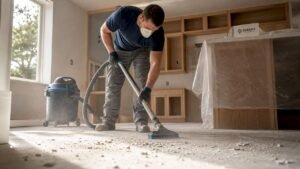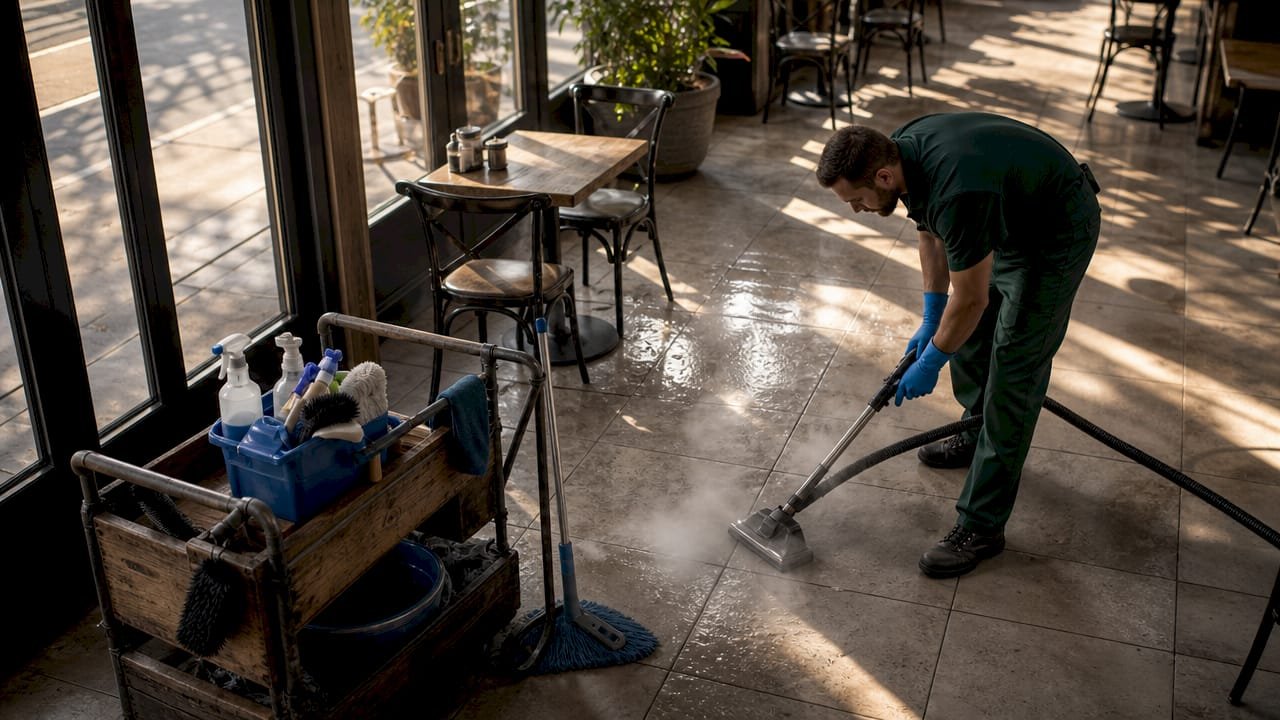
Specialty cleaning is defined as targeted, in-depth cleaning that goes beyond routine maintenance to address complex, high-risk, or niche environments using expert techniques, specialized equipment, and documented procedures. Where regular cleaning handles surface-level dust and grime, specialty cleaning services tackle biohazards, deep-seated allergens, post-construction debris, and the kind of buildup that standard mops and sprays simply cannot resolve. Services like deep cleaning, move-in/move-out cleaning, and biohazard remediation all fall under this category. Companies like SERVPRO and Smartcleaningwa specialize in these services precisely because the work demands training, compliance knowledge, and equipment that general cleaning crews do not carry.
What is specialty cleaning and what does it include?
Specialty cleaning refers to any cleaning service that requires specialized protocols, equipment, or compliance measures beyond what a standard cleaning visit provides. The industry term most professionals use is “specialized cleaning services,” though “specialty cleaning” is widely understood across residential, commercial, and healthcare contexts. These services are not cosmetic. Infection-control cleaning is a critical part of preventing microorganism transmission in healthcare and regulated settings, which illustrates how high the stakes can be.
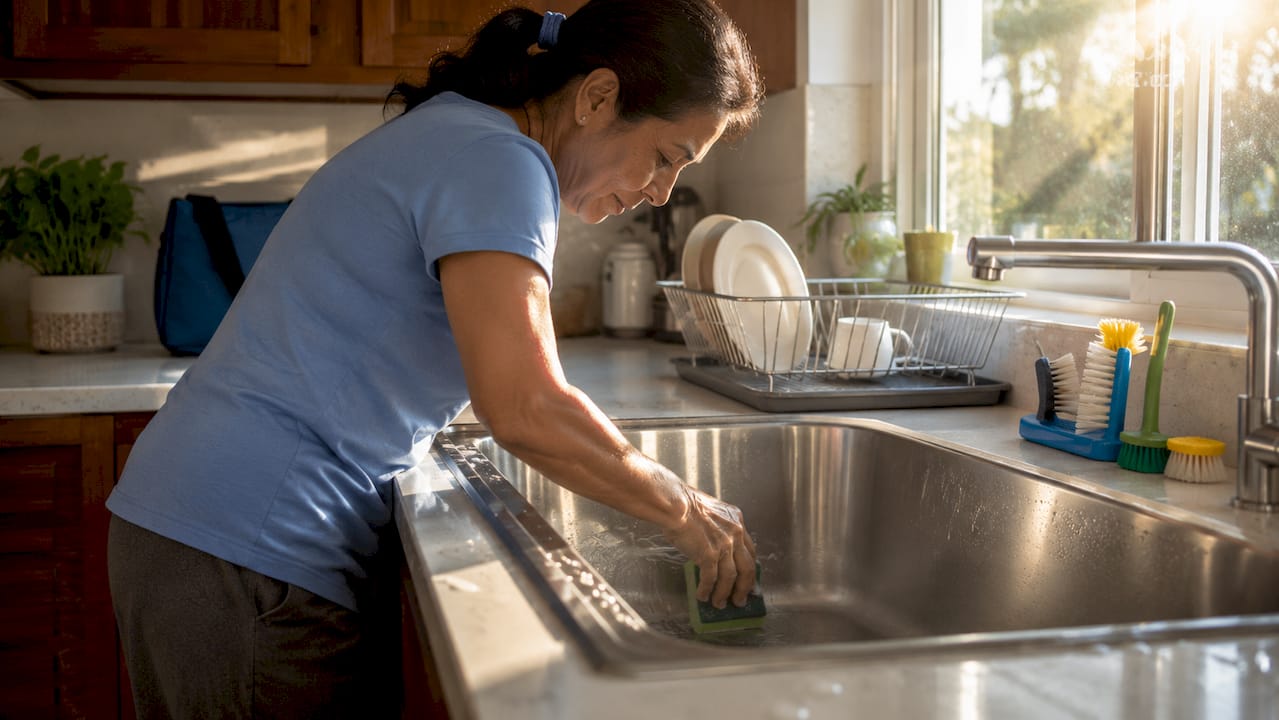
The definition of specialty cleaning also extends into residential life. A tenant moving out of an apartment, a homeowner preparing a property for sale, or a family dealing with a mold problem all need cleaning that goes deeper than a weekly maintenance visit. Specialty cleaning fills that gap with structured procedures, targeted chemistry, and trained personnel.
What are the main types of specialty cleaning services?
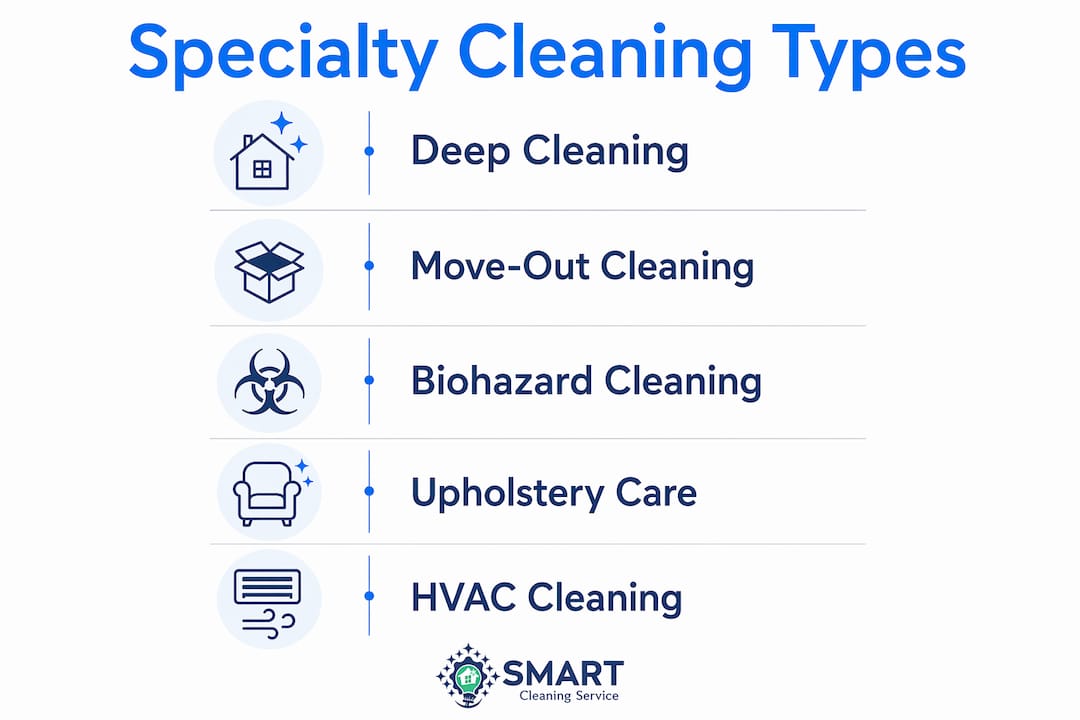
The types of specialty cleaning break into several distinct categories, each designed for a specific situation or surface type.
Deep cleaning addresses the buildup that accumulates over months or years. It covers baseboards, grout lines, appliance interiors, cabinet faces, and other surfaces that routine cleaning skips. Deep cleaning is typically scheduled before a major event, after a renovation, or as a seasonal reset for a home or office.
Move-in/move-out cleaning is one of the most requested specialty cleaning services in residential real estate. Effective move-in/out cleaning reduces allergens, ensures hygiene, and helps meet lease or sale conditions. This type of cleaning covers every surface in a vacant property, from inside ovens to the tops of door frames, so the next occupant starts fresh.
Biohazard and regulated cleaning handles situations involving blood, bodily fluids, chemical spills, or pathogen-contaminated surfaces. This category requires chemical antimicrobials and decontamination procedures that go far beyond standard cleaning products. Technicians must follow strict waste handling rules and wear appropriate personal protective equipment.
Upholstery and carpet cleaning targets allergens, dust mites, and pollutants embedded in fabric and fiber. Upholstery and carpet cleaning helps reduce dust, allergens, and pollutants that negatively impact indoor air quality. This service is particularly valuable for households with asthma, allergies, or pets.
Air duct and HVAC cleaning removes accumulated debris from ventilation systems, improving air circulation and reducing the spread of airborne particles throughout a building.
| Service type | Best used when | Key technique |
|---|---|---|
| Deep cleaning | Post-renovation, seasonal reset | Multi-surface scrubbing, appliance interiors |
| Move-in/move-out | Real estate transitions | Full-property surface cleaning |
| Biohazard cleanup | Pathogen or chemical exposure | Decontamination, regulated waste disposal |
| Upholstery/carpet | Allergen reduction, odor removal | Hot water extraction, enzyme treatments |
| Air duct cleaning | Poor air quality, HVAC maintenance | Mechanical agitation, high-powered vacuuming |
What are the benefits of specialty cleaning over regular cleaning?
The benefits of specialty cleaning over regular cleaning come down to depth, compliance, and long-term health outcomes. A standard cleaning visit maintains a space. Specialty cleaning restores or protects it.
- Contaminant removal. Regular cleaning moves surface dirt around. Specialty cleaning removes embedded allergens, mold spores, and pathogens that standard products cannot neutralize.
- Regulatory compliance. In healthcare, food service, and commercial real estate, specialty cleaning meets the documented standards that inspections require. Risk-based sequencing and audit documentation are critical for healthcare specialty cleaning compliance and effectiveness.
- Disinfection effectiveness. Disinfectants only work properly on clean surfaces. Thorough cleaning before disinfection is crucial for disinfectant effectiveness, which is why specialty cleaning follows a multi-step process rather than a single wipe-down.
- Property value. A professionally cleaned property commands higher satisfaction from buyers and tenants. Move-in/move-out cleaning, in particular, directly affects lease renewals and sale prices.
- Long-term health. Reducing allergen load and pathogen presence in a home or office lowers infection risk and improves respiratory health over time.
Pro Tip: Schedule a deep cleaning before any professional disinfection service. Disinfectants applied to dirty surfaces lose up to 90% of their effectiveness, so the cleaning step is not optional.
How do specialty cleaning processes meet industry standards?
Specialty cleaning processes are built around documented procedures, risk assessments, and compliance requirements that protect both the occupants of a space and the cleaning personnel.
Risk assessment. Before any specialty cleaning begins, a qualified technician evaluates the environment. This identifies hazard levels, determines which cleaning agents are appropriate, and sequences the work to prevent cross-contamination.
Cleaning before disinfection. This is the step most people skip and the one that matters most. Organic matter like grease, blood, or soil physically blocks disinfectants from reaching pathogens. Specialty cleaning protocols always clean first, then disinfect.
Waste segregation and disposal. Biohazard waste disposal methods like incineration and autoclaving transform hazardous material into non-hazardous waste following stringent environmental protocols. Waste must be labeled, contained, and transported according to federal and state regulations.
Standard operating procedures. Clear SOPs and documented procedures reduce infection risks and ensure quality control in specialty cleaning. Every step a technician takes should be traceable and repeatable.
Personnel training and competency. Regular biosafety training and competency assessments improve implementation of bio-risk management programs. A specialty cleaning company that cannot demonstrate staff training records is a company worth avoiding.
“Specialty cleaning is not cosmetic. It is a controlled process designed to reduce transmission risk, meet regulatory requirements, and protect the people who live and work in a space.”
Healthcare environments take this further. Daily cleaning schedules are increased to include all surfaces and touch points, with mopheads and cleaning cloths discarded or laundered between areas to prevent cross-contamination. Residential specialty cleaning borrows many of these same principles, scaled appropriately for home environments.
How to find and choose the right specialty cleaning service
Choosing the right specialty cleaning provider requires more than reading Google reviews. The right questions reveal whether a company actually follows the procedures it claims to.
- Ask about their SOPs. A qualified provider can describe their step-by-step process for the service you need. Vague answers like “we use professional products” are a red flag. Documented work instructions and clear procedures are what separate trained specialty cleaners from general cleaning crews.
- Verify waste handling protocols. For biohazard or regulated cleaning, ask specifically how waste is segregated, labeled, and disposed of. Marketing language is not a substitute for documented compliance.
- Check certifications and insurance. Specialty cleaning companies should carry liability insurance and, depending on the service, certifications from bodies like the IICRC (Institute of Inspection, Cleaning and Restoration Certification) or OSHA-compliant training records.
- Clarify residential vs. commercial scope. A company that excels at office cleaning in Seattle may approach a residential deep clean differently than a company focused on homes. Confirm that the provider has direct experience with your specific situation.
- Request references or before/after documentation. Reputable specialty cleaning companies document their work. Photos, inspection reports, and client references are standard for quality providers.
Pro Tip: When hiring for biohazard or post-construction cleaning, ask the provider to walk you through their waste disposal chain. If they cannot explain where the waste goes after removal, that is a compliance gap you do not want to inherit.
For homeowners in the Seattle area, Smartcleaningwa provides residential cleaning services with documented processes, licensed and insured technicians, and real-time communication throughout every job.
Key takeaways
Specialty cleaning is a structured, compliance-driven process that removes contaminants, meets regulatory standards, and delivers results that routine cleaning cannot achieve.
| Point | Details |
|---|---|
| Definition of specialty cleaning | Targeted, in-depth cleaning using expert techniques, specialized tools, and documented procedures. |
| Core service types | Deep cleaning, move-in/move-out, biohazard, upholstery, and air duct cleaning each serve distinct needs. |
| Cleaning before disinfection | Disinfectants require a clean surface to work; skipping the cleaning step reduces their effectiveness significantly. |
| Compliance and documentation | SOPs, waste handling protocols, and staff training records are non-negotiable markers of a qualified provider. |
| Choosing a provider | Ask about documented procedures, certifications, and waste disposal chains before hiring any specialty cleaner. |
Why specialty cleaning is more misunderstood than it should be
Most people think specialty cleaning is just “extra thorough” cleaning. That framing undersells what it actually involves and leads to bad hiring decisions. I have seen homeowners book a standard cleaning crew for a post-flood remediation job, then wonder why the mold came back six weeks later. The crew cleaned what they could see. Specialty cleaning addresses what you cannot see.
The part that surprises most clients is the sequencing. Cleaning and disinfecting are not the same step, and doing them out of order produces worse results than doing neither. This is not a technicality. It is the reason specialty cleaning protocols exist in the first place. When I look at how pest control companies like Apex Pest Control approach safe pest removal protocols, the same logic applies: controlled sequencing and documented steps prevent the problem from returning.
The other misconception is that specialty cleaning is only for extreme situations like biohazard scenes or hospital wards. Move-in/move-out cleaning, seasonal deep cleaning, and upholstery cleaning are all specialty services that ordinary households need regularly. The difference between a good specialty cleaner and a mediocre one is not the equipment. It is whether they follow a documented process every single time.
— Wilker
How Smartcleaningwa handles specialty cleaning in Seattle
Smartcleaningwa delivers specialty cleaning services across the Greater Seattle Area, including deep cleaning, move-in/move-out cleaning, and Airbnb turnover services, all performed by licensed and insured technicians who follow documented procedures on every job.
Whether you are preparing a property for a new tenant, resetting a home after a renovation, or scheduling a seasonal deep clean, Smartcleaningwa provides real-time updates and consistent results you can verify. The team brings the same compliance-focused approach to residential homes in Kirkland, Bellevue, and Redmond that commercial clients expect from a professional cleaning company. Explore move-in/move-out cleaning or get a free estimate for your next specialty cleaning project at smartcleaningwa.com.
FAQ
What is the difference between specialty cleaning and regular cleaning?
Regular cleaning maintains a space through routine surface wiping and vacuuming. Specialty cleaning uses documented procedures, specialized equipment, and trained technicians to address deep contamination, biohazards, or niche surfaces that standard cleaning cannot handle.
What does specialty cleaning include?
Specialty cleaning includes deep cleaning, move-in/move-out cleaning, biohazard remediation, upholstery and carpet cleaning, and air duct cleaning. Each service follows specific protocols designed for the environment and contamination type involved.
How often should you schedule specialty cleaning services?
Deep cleaning is typically scheduled once or twice a year for residential properties, or after major events like renovations. Move-in/move-out cleaning is scheduled at every tenancy transition, and biohazard cleaning is performed on demand following an incident.
How do I know if a specialty cleaning company is qualified?
Ask for documented SOPs, proof of insurance, staff training records, and a clear explanation of their waste handling procedures. Documented procedures and competency assessments are the standard markers of a qualified specialty cleaning operation.
Is specialty cleaning worth the cost compared to regular cleaning?
Specialty cleaning costs more than routine maintenance because it requires trained personnel, specialized equipment, and compliance procedures. For situations involving allergen removal, property transitions, or regulated contamination, the investment directly protects health, property value, and legal compliance.
Recommended
- Smart Cleaning Service™ House Cleaning Seattle Kirkland Bellevue Redmond
- Smart Cleaning Service™ House Cleaning Seattle Kirkland Bellevue Redmond
- Seattle Office Cleaning Services | Smart Cleaning WA
- Smart Cleaning Service™ House Cleaning Seattle Kirkland Bellevue Redmond