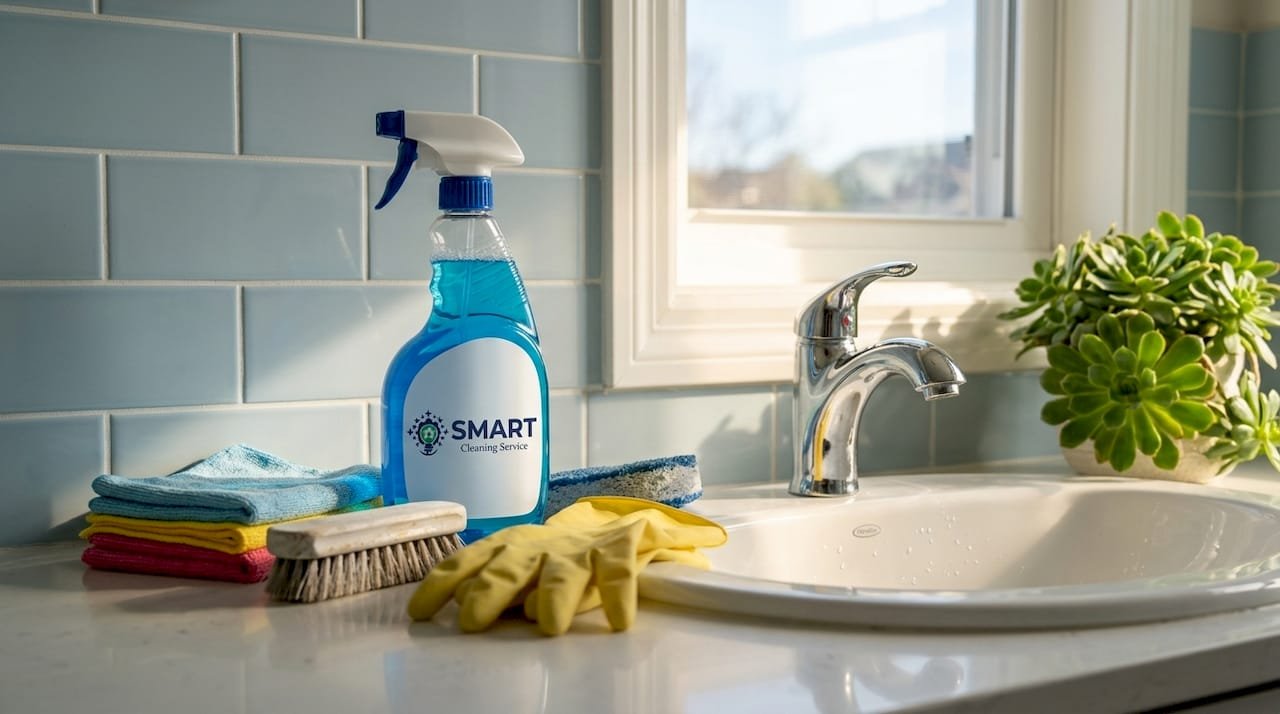
An effective bathroom cleaning process is a systematic sequence of tasks that removes dirt, grime, and microbes to maintain a sanitary and pleasant space. The key to getting it right is not just which products you use, but the order you use them in. Microfiber cloths, all-purpose cleaners, disinfectants, and scrub brushes each play a specific role in a workflow that moves from top to bottom and dry to wet. Skip the sequence, and you end up re-contaminating surfaces you already cleaned. Follow it, and a thorough weekly clean takes about one hour.
What tools and products do you need for an effective bathroom cleaning process?
The right supplies make the difference between a surface that looks clean and one that actually is. Before you start any bathroom cleaning procedure, gather everything you need so you are not hunting for products mid-task.
Here is a breakdown of the core tools and their roles:
| Tool or Product | Best Used For |
|---|---|
| Microfiber cloths (color-coded) | Wiping counters, mirrors, and fixtures without scratching |
| Scrub brush or grout brush | Scrubbing tile grout, tub surrounds, and toilet bowl |
| Squeegee | Removing water from shower glass and walls after use |
| Toilet brush | Scrubbing the toilet bowl interior only |
| All-purpose cleaner | Counters, sinks, and exterior surfaces |
| Glass cleaner (e.g., Windex) | Mirrors and chrome fixtures |
| Toilet bowl cleaner | Under the rim and bowl interior |
| Bleach-based disinfectant | High-touch surfaces during illness or deep cleans |
| Vacuum or dry mop | Floors and rugs before wet mopping |
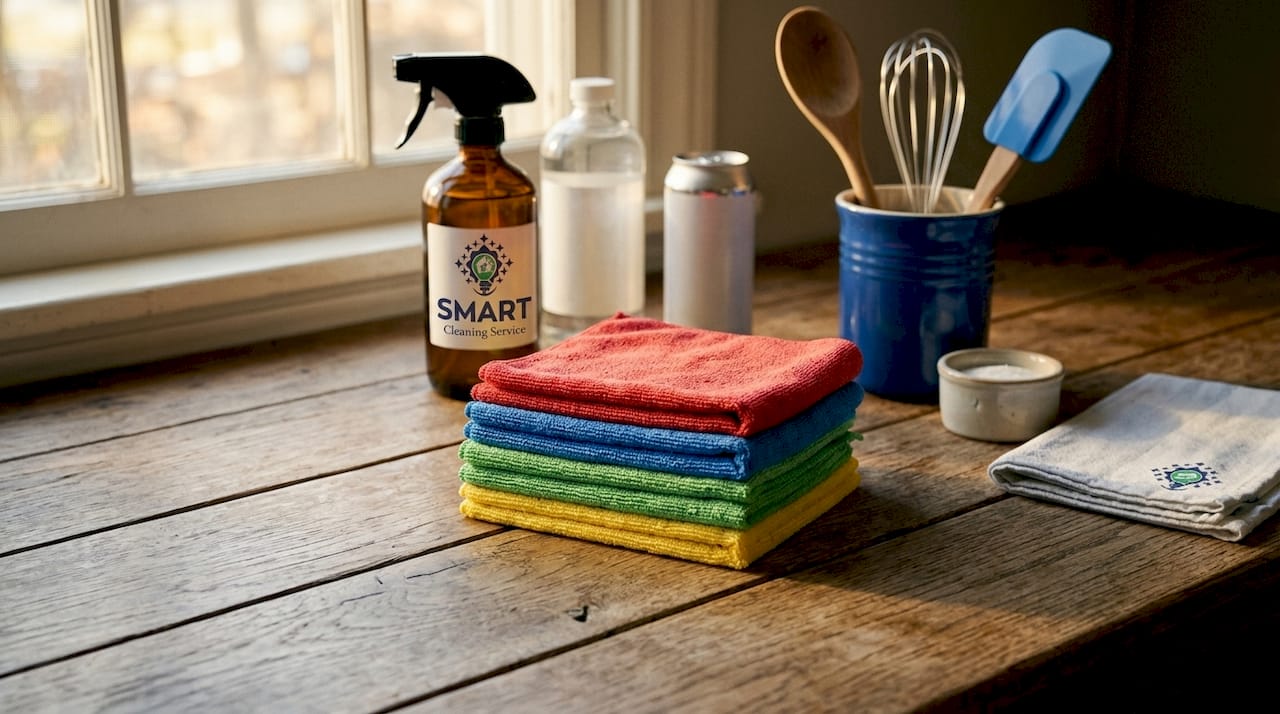
Color-coding your cloths is not a professional quirk. It is a practical system that prevents cross-contamination between the toilet area and the rest of the bathroom. Dedicated cleaning implements align with pro workflows and stop you from spreading bacteria from one surface to another.
Pro Tip: When using bleach-based products, open the window and run the exhaust fan before you start. Ventilation is not optional with bleach. It protects your lungs and speeds up drying, which limits the moisture that feeds microbial growth.
What is the step-by-step bathroom cleaning workflow for weekly maintenance?
The professional standard for cleaning order is top to bottom and dry to wet. This means you dust and vacuum before you spray anything, and you tackle dry surfaces before wet ones. The logic is simple: debris falls downward, so cleaning high surfaces first means you are not re-dirtying floors you already mopped.
A weekly clean can be completed in about one hour using this 11-step sequence:
- Remove rugs, towels, and any items on counters. Clear the space so nothing blocks your access.
- Vacuum or dry-sweep floors and rugs. Pick up hair and dust before any liquid hits the floor. (2 minutes)
- Apply toilet bowl cleaner inside the bowl. Let it sit while you work on other surfaces. This is your first use of dwell time.
- Spray all-purpose cleaner on counters, sinks, and the toilet exterior. Let it dwell for 5 to 10 minutes. Move on immediately rather than waiting. Dwell time is not wasted time. It is when the chemistry does the heavy lifting.
- Clean mirrors and glass surfaces. Spray Windex or a similar glass cleaner and wipe with a clean microfiber cloth in a circular motion to avoid streaks.
- Shine fixtures. Buff faucets and handles with a dry microfiber cloth after wiping them down. Chrome responds well to a quick dry buff.
- Wipe counters and sinks. By now, the all-purpose cleaner has had time to loosen grime. Wipe from back to front so debris moves toward the drain.
- Scrub the tub or shower. Use a scrub brush with an appropriate cleaner. Pay attention to the waterline where soap scum builds fastest.
- Clean the toilet exterior, then the bowl. Wipe the tank, lid, seat, and base with a dedicated cloth. Then scrub the bowl interior with a toilet brush. Never use the same cloth on the bowl and the exterior touchpoints.
- Mop or wet-clean the floor. Work from the far corner toward the door so you do not walk on the wet surface.
- Replace rugs and towels. Do a final scan. Check mirrors for streaks and fixtures for water spots.
The most common mistake in this sequence is skipping dwell time. Spraying a surface and wiping it immediately is wet wiping, not cleaning. The cleaner needs contact time to break down grime and kill bacteria.
Pro Tip: Use a red cloth exclusively for the toilet interior and a separate color for everything else. This one habit eliminates the most common source of bathroom cross-contamination.
How can daily habits enhance bathroom cleanliness between deep cleans?
Weekly cleaning maintains hygiene, but daily habits are what prevent buildup from forming in the first place. A bathroom that gets five minutes of attention every day is dramatically easier to clean on the weekend than one that is ignored all week.
These habits take less than five minutes combined and make a measurable difference:
- Squeegee shower walls after every use. Soap scum and hard water deposits form when water is left to dry on tile and glass. A squeegee after showering removes the water before it can leave a residue.
- Wipe the sink and faucet daily. Toothpaste, soap, and water spots are easy to remove when fresh. Left for a week, they require real scrubbing.
- Use a hair catcher on every drain. Hair is the leading cause of slow drains. A simple drain catcher costs a few dollars and prevents a plumbing call.
- Run the exhaust fan for up to 30 minutes after showering. Running ventilation after bathroom use lowers moisture levels and reduces the conditions that allow mold and bacteria to thrive.
- Vacuum or sweep floors and rugs daily. Hair and dust accumulate fast in bathrooms. A 60-second vacuum pass keeps the floor manageable and prevents debris from spreading when the door opens.
These habits do not replace weekly cleaning. They reduce the intensity of it. A bathroom maintained with daily habits needs less scrubbing, less product, and less time during the weekly session.
What does a deep bathroom clean involve and how often should you do it?
A deep clean is not an extended version of your weekly routine. It is a full reset of the bathroom’s hygiene baseline, targeting areas that weekly cleaning does not reach. A deep clean typically takes 1.5 to 2.5 hours and should happen at least once per year, though twice a year is better for households with heavy use.
Here is how routine weekly cleaning compares to a deep clean:
| Task | Weekly Routine | Deep Clean |
|---|---|---|
| Toilet cleaning | Bowl, seat, exterior | Behind and under seat, base, tank interior |
| Grout and tile | Surface wipe | Scrub with grout brush and bleach solution |
| Showerhead | Wipe exterior | Descale with white vinegar soak |
| Exhaust fan | Not included | Remove cover, vacuum dust from blades and housing |
| Textiles | Replace towels | Wash bath mats, shower curtain, and liners |
| Mirrors and glass | Wipe clean | Detail edges and frame |
The deep clean is also when you address bathroom mold on grout lines and caulk. Grout requires extended dwell time with a bleach-based cleaner, often 10 minutes or more, before scrubbing. Rushing this step produces poor results.
One insight that surprises most homeowners: cleaning reshapes microbial communities rather than permanently eliminating them. Bacteria reseed surfaces continuously from air, skin, and water. The goal of deep cleaning is not sterilization. It is reducing microbial load to a level that does not cause odor, illness, or visible buildup. That is a realistic and achievable target.
How to correctly use disinfectants within your bathroom cleaning process?
Cleaning and disinfecting are two different actions, and confusing them is one of the most common mistakes homeowners make. Cleaning removes visible dirt and grime. Disinfecting kills pathogens on a surface that is already clean. Doing one without the other leaves the job half done.
The two-stage process works like this:
- Clean first. Scrub and rinse the surface to remove physical debris. Residue left on a surface blocks disinfectants from reaching pathogens.
- Apply disinfectant and wait. Surfaces must stay visibly wet for the labeled contact time, commonly 3 to 10 minutes, for disinfection to work. Wiping dry too soon means you cleaned the surface but did not disinfect it.
- Prioritize high-touch areas. Toilet flush handles, faucet knobs, light switches, and door handles carry the highest bacterial load in any bathroom. These need disinfection every week, not just during illness.
- Never mix cleaning products. Bleach and ammonia-based cleaners produce toxic fumes. Bleach and vinegar create chlorine gas. Use one product at a time and rinse between applications.
- Increase frequency during illness. When someone in the household is sick, disinfect high-touch surfaces daily using an EPA-registered disinfectant.
Disinfecting is only as effective as the cleaning that precedes it. A surface covered in soap scum or grime will block the active ingredient from reaching bacteria, no matter how long you leave the product on.
Pro Tip: If your disinfectant dries before the required contact time is up, reapply it. A dry surface was not disinfected. This is especially common in dry climates or when using spray bottles with a fine mist.
Key takeaways
A systematic bathroom cleaning process built on correct task order, dwell time, and daily habits produces lasting hygiene that no single deep clean can replicate on its own.
| Point | Details |
|---|---|
| Order matters | Clean top to bottom and dry to wet to avoid re-contaminating surfaces. |
| Dwell time is non-negotiable | Leave cleaners on surfaces for 5 to 10 minutes before wiping for real results. |
| Daily habits reduce weekly effort | Squeegeeing, wiping sinks, and running the fan daily cut scrubbing time significantly. |
| Deep clean at least once a year | Grout, exhaust fans, and showerheads need extended attention that weekly cleaning skips. |
| Clean before you disinfect | Grime blocks disinfectants. Scrub first, then apply and wait the full contact time. |
What I have learned from years of watching bathrooms get cleaned wrong
Most people treat bathroom cleaning as a single task rather than a workflow. They grab a sponge, spray something, and wipe. The result looks clean for about two days, and then the same grime is back in the same spots. The problem is not effort. It is sequence.
The single biggest shift I have seen homeowners make is understanding dwell time. Spray your cleaner, walk away, clean the mirror, come back. That five-minute gap is doing more work than the scrubbing. Professionals know this. Most homeowners skip it because waiting feels unproductive.
The second misconception I see constantly is treating disinfecting as a substitute for cleaning. People spray a disinfectant on a grimy surface and feel like they have done something thorough. They have not. The two-stage approach of scrubbing first and disinfecting second is not a professional preference. It is chemistry.
My honest advice: build the daily habits first. The squeegee, the sink wipe, the exhaust fan. Once those are automatic, the weekly clean becomes genuinely manageable. And once or twice a year, bring in a professional for the deep work. Not because you cannot do it, but because a professional cleaning workflow covers the areas most people forget until they become a real problem.
— Wilker
When professional cleaning makes sense for your bathroom
If your weekly routine feels like it is never quite catching up, or you are facing a move, a seasonal reset, or a bathroom that has not had a deep clean in over a year, professional help is worth considering.
Smartcleaningwa provides residential cleaning services across the Greater Seattle Area, including recurring house cleaning, deep cleaning, and move-in and move-out cleans. Every visit follows a structured workflow with real-time updates and attention to the details that standard cleaning skips. Whether you need a one-time deep clean or a regular cleaning schedule that keeps your bathroom consistently hygienic, Smartcleaningwa delivers results you can see and trust. Reach out to get an estimate and see what a professional clean actually looks like.
FAQ
What is the correct order for cleaning a bathroom?
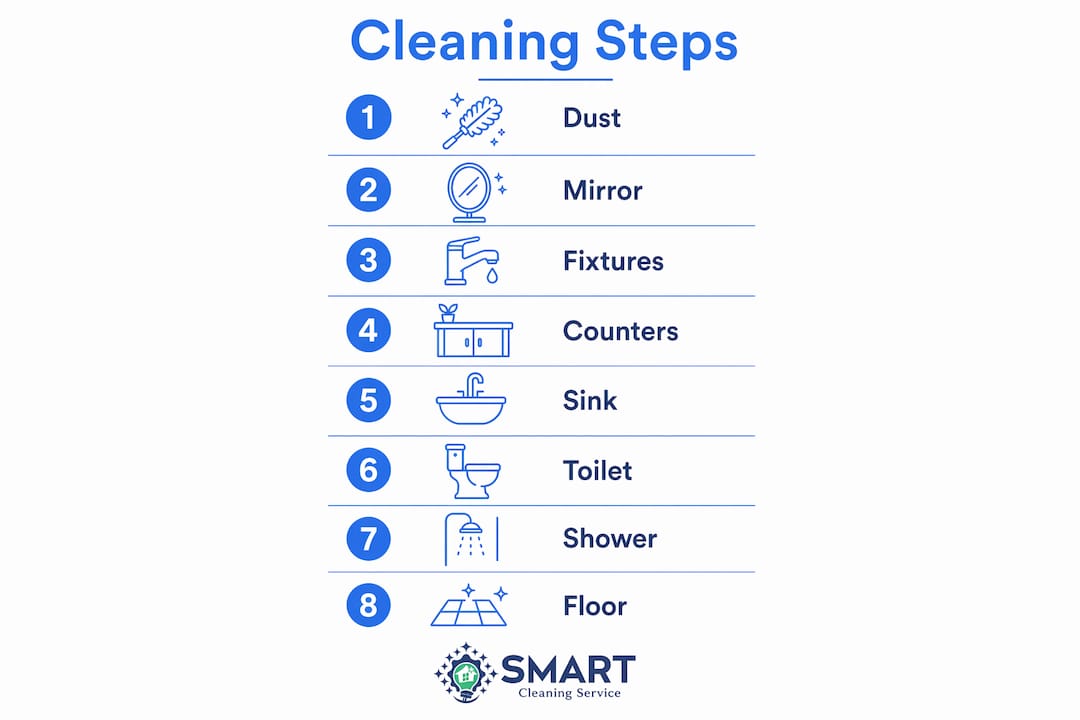
Clean from top to bottom and dry to wet. Start with dusting and vacuuming, then move to mirrors, fixtures, counters, sinks, tub, toilet, and finish with the floor.
How long does a weekly bathroom clean take?
A weekly bathroom cleaning procedure takes about one hour when following an 11-step workflow that includes vacuuming, scrubbing, disinfecting, and mopping.
How often should you deep clean a bathroom?
A deep clean should happen at least once per year and takes 1.5 to 2.5 hours. It covers grout scrubbing, showerhead descaling, exhaust fan cleaning, and washing all textiles.
What is the difference between cleaning and disinfecting?
Cleaning removes visible dirt and grime. Disinfecting kills pathogens on an already-clean surface. Both steps are required for a truly hygienic bathroom sanitizing process.
How do you prevent soap scum and mold buildup between cleans?
Squeegee shower walls after every use and run the exhaust fan for up to 30 minutes after showering. These two habits reduce moisture and prevent the conditions that cause soap scum and mold to form.
Recommended
- Smart Cleaning Service™ House Cleaning Seattle Kirkland Bellevue Redmond
- Smart Cleaning Service™ House Cleaning Seattle Kirkland Bellevue Redmond
- Smart Cleaning Service™ House Cleaning Seattle Kirkland Bellevue Redmond
- Smart Cleaning Service™ House Cleaning Seattle Kirkland Bellevue Redmond