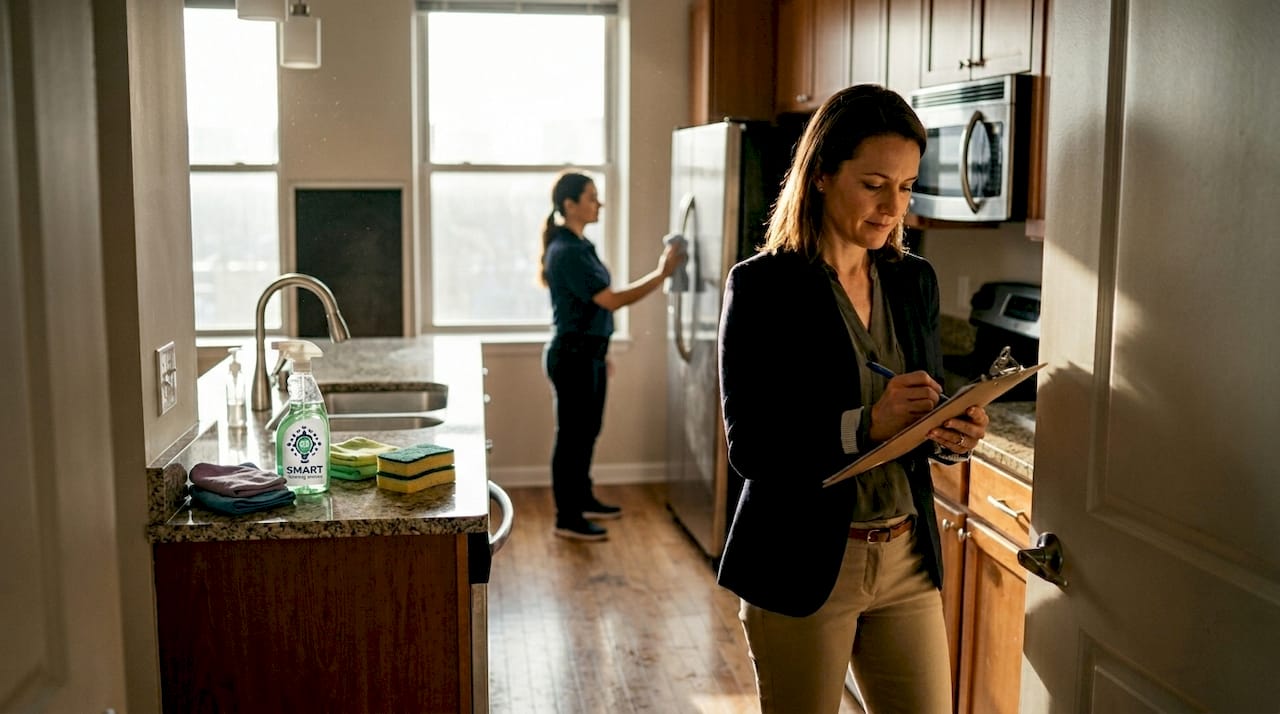
Most property owners think of cleaning as the final touch before a showing or a tenant walks through the door. The truth is, it’s one of the most financially significant decisions you can make for your property. Regular cleaning improves tenant retention, reduces turnover costs, and minimizes vacancy periods, which adds up to real money over time. Whether you own a single-family home in Bellevue, manage a multi-unit building in Capitol Hill, or oversee commercial office space in downtown Seattle, what follows will give you practical strategies, real evidence, and expert insight to help you clean smarter and protect your investment.
Table of Contents
- Beyond aesthetics: Cleaning’s critical impact on real estate outcomes
- Deep cleaning methodologies: Professional standards for real estate
- Cleaning for turnovers: Maximizing tenant transitions and securing deposits
- Common pitfalls: What most people miss when cleaning for real estate
- A fresh perspective: Real estate cleaning’s hidden ROI
- Get professional cleaning services for your Seattle-area property
- Frequently asked questions
Key Takeaways
| Point | Details |
|---|---|
| Cleaning drives real estate ROI | Consistent cleaning accelerates sales, reduces vacancies, and improves tenant retention for Seattle properties. |
| Deep-cleaning methods matter | Top-to-bottom, dry-to-wet professional techniques prevent rework and set high standards. |
| Checklists boost results | Detailed cleaning checklists and accountability processes create lasting tenant trust and save costs. |
| Pitfalls reduce property appeal | Missing hidden areas like vents and baseboards hurts impressions and value. |
| Professional services simplify the process | Hiring experts for regular or turnover cleaning ensures maximum appeal and easier property management. |
Beyond aesthetics: Cleaning’s critical impact on real estate outcomes
When a prospective tenant or buyer walks into a property, their brain makes a judgment call in seconds. Not about paint colors or countertop finishes. About cleanliness. A space that smells fresh, looks spotless, and feels well-maintained signals something deeper: this property is cared for. That perception directly shapes how much someone is willing to pay or whether they’ll sign a lease at all.
For Seattle-area property managers, the financial stakes are concrete. Vacant units cost money every single day. Tenant dissatisfaction leads to early move-outs, negative reviews, and the cost of finding someone new. Understanding the benefits of professional cleaning goes well beyond surface appeal. It includes protecting your bottom line through longer tenancies and fewer costly gaps between leases.
“Regular cleaning improves tenant retention, reduces turnover costs, and minimizes vacancy periods.” This connection between cleanliness and financial performance is something Seattle’s most successful property managers already build into their maintenance budgets.
The residential and commercial sides of this equation look a bit different. Homeowners selling a property benefit most from deep pre-listing cleans that stage the space effectively. Renters and landlords care more about move-in condition and ongoing cleanliness standards. Commercial property managers, particularly those overseeing shared workspaces or retail, need Seattle office cleaning insights that address foot traffic, sanitization, and professional presentation on a recurring basis.
Here’s a quick comparison of how cleaning priorities differ across property types:
| Property type | Primary cleaning goal | Key frequency |
|---|---|---|
| Residential for sale | Maximize perceived value | Pre-listing deep clean |
| Rental residential | Tenant retention and trust | Monthly recurring + turnover |
| Commercial office | Professional image and hygiene | Weekly recurring |
| Airbnb/short-term | Guest satisfaction and reviews | Per-stay turnover clean |
The properties that consistently get top-dollar rents and faster occupancy rates in Seattle share one common trait: they maintain cleaning as an ongoing priority, not a one-time event. A few key outcomes of consistent cleaning include:
- Fewer maintenance surprises: Dirt buildup conceals damage. Regular cleaning means problems get spotted early.
- Higher renewal rates: Tenants who feel proud of where they live are far more likely to renew.
- Stronger inspection results: Clean properties pass routine inspections with fewer flags.
- Better photography: Listings with clean, bright interiors perform better online and attract more qualified leads.
Deep cleaning methodologies: Professional standards for real estate
Knowing that cleaning matters is one thing. Understanding how professional cleaners actually approach a property is where real efficiency comes from. The industry standard framework follows a top-to-bottom, dry-to-wet sequence. You start by dusting high areas first, then wipe surfaces, sanitize high-touch points, and finish with floors. This prevents double work and cross-contamination.
For Seattle rental properties going through a turnover, a structured approach is essential. Here’s how a typical professional clean is sequenced:
- Remove all debris and surface clutter from every room
- Dust ceiling fans, light fixtures, and crown molding
- Wipe down all cabinet faces, drawer fronts, and shelving
- Degrease kitchen appliances inside and out, including the oven and refrigerator
- Scrub bathroom tile grout, fixtures, and toilets
- Sanitize all high-touch surfaces: door handles, light switches, railings
- Clean windows and window tracks
- Vacuum carpets and steam clean if needed
- Mop hard floors as the final step
A good deep cleaning checklist does more than list tasks. It assigns responsibility and sets a measurable standard. That’s what separates a professional result from a rushed DIY clean.
Pro Tip: Add photo documentation to your cleaning process. Before-and-after photos of key areas like the oven interior, bathroom grout, and baseboards create accountability and protect both cleaners and property managers during deposit disputes.
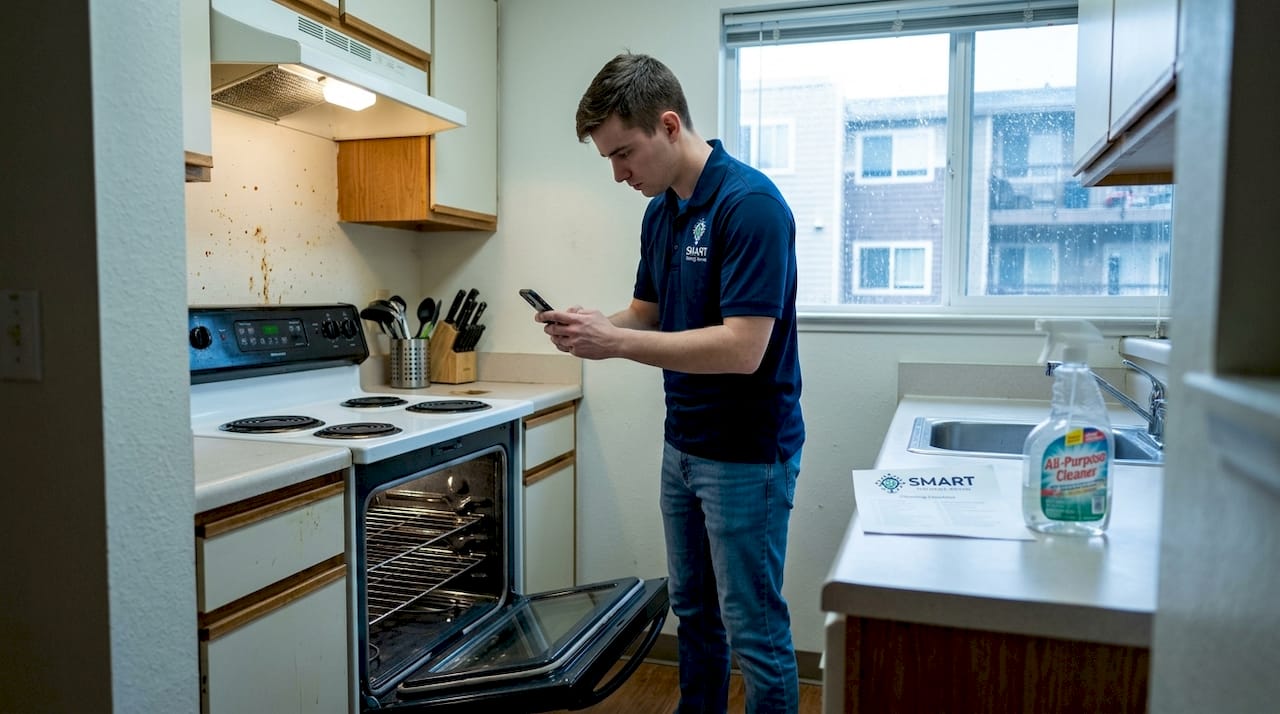
Bundling cleaning with maintenance tasks is another approach that saves money in the long run. When your cleaning team visits, have them flag items like worn caulking around the tub, dirty HVAC filters, or damaged window seals. This kind of integrated inspection keeps small problems from becoming expensive repairs.
| Space | Core cleaning tasks | Recommended frequency |
|---|---|---|
| Kitchen | Degrease appliances, sanitize counters, clean inside cabinets | Monthly + every turnover |
| Bathroom | Scrub tile, disinfect fixtures, clean grout | Monthly + every turnover |
| Living areas | Dust surfaces, clean windows, vacuum upholstery | Bi-weekly or monthly |
| HVAC vents | Wipe grilles, check filters | Quarterly |
| Baseboards | Wipe down and inspect for moisture or damage | Every turnover or quarterly |
Using professional cleaning methods consistently across all your units is what builds a reputation as a quality landlord, and that reputation drives long-term occupancy.
Cleaning for turnovers: Maximizing tenant transitions and securing deposits
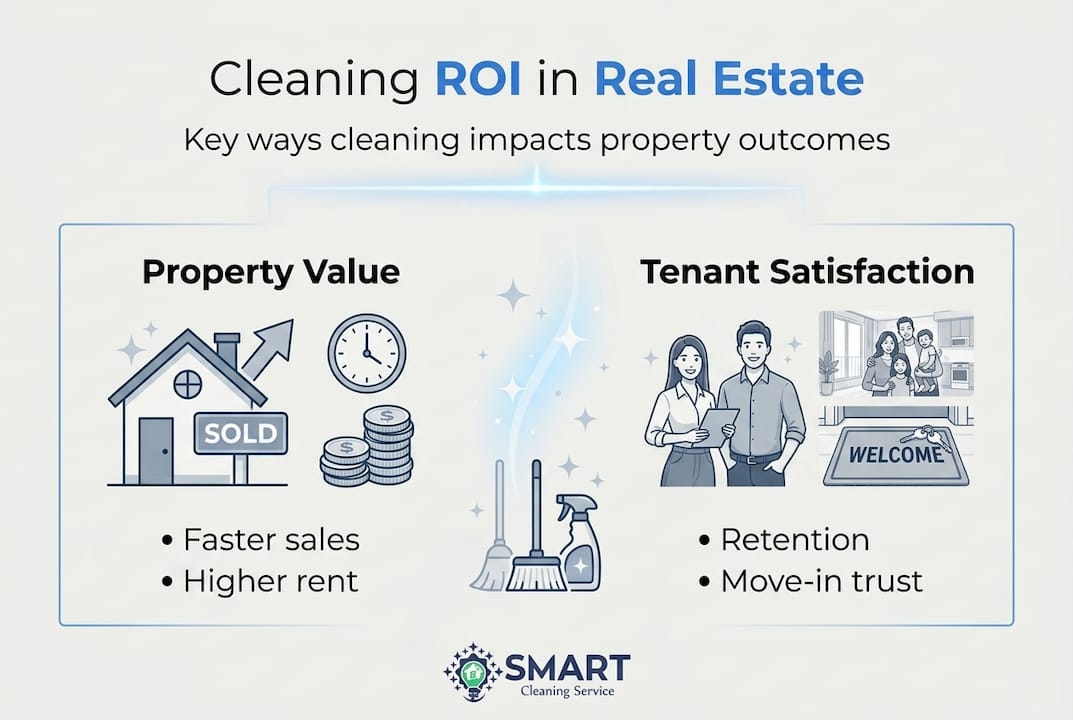
Turnover periods are where cleaning has the most immediate financial impact. Every day a unit sits empty between tenants is lost revenue. In a competitive market like Seattle, where rental demand is high but tenant expectations are equally high, a slow or sloppy turnover can cost you a month’s rent or a security deposit dispute.
Professional turnover cleaning within tight 14-to-21 day windows requires a checklist-driven approach. Bundling cleaning with maintenance tasks like HVAC filter replacement and caulking touch-ups prevents rework and reduces costs over time. The goal is to hand over a unit that feels brand new, even if the building is 30 years old.
Here’s what a thorough move-out cleaning should cover:
- All appliances cleaned inside and out
- Walls spot-cleaned for scuffs and handprints
- Carpets vacuumed and professionally steam cleaned if needed
- All bathroom surfaces scrubbed, disinfected, and re-caulked where necessary
- Light fixtures cleaned and dead bulbs replaced
- Window interiors and tracks wiped down
- All closets vacuumed, shelves wiped
- Garbage disposals cleaned and deodorized
Pro Tip: Use a room-by-room checklist with a photo attached to each completed task. This creates a clear record that protects everyone involved. Landlords can document the condition before the next tenant moves in, and tenants get transparency about the standard the unit was handed back in. Fewer disputes, faster resolution.
For both residents and managers, reviewing a detailed move-out cleaning checklist before scheduling your clean helps set clear expectations. Property managers in areas like Kirkland can also benefit from a localized Kirkland move-out cleaning guide that accounts for local rental standards and inspection norms.
A clean unit at move-in also builds tenant goodwill from day one. Tenants who walk into a spotless space feel respected. That feeling often translates directly into how they treat the property and whether they choose to renew.
Common pitfalls: What most people miss when cleaning for real estate
Even thorough homeowners and experienced property managers have blind spots. The areas that get skipped most often are not the obvious ones. They’re the spots that don’t scream for attention until a discerning buyer or tenant notices them, and then they can’t be unseen.
Commonly overlooked areas include baseboards, ceiling fan blades, interior window tracks, the tops of door frames, bathroom exhaust fans, and refrigerator coils. These spots accumulate dust, grime, and in Seattle’s damp climate, sometimes mold. Skipping them isn’t just an aesthetic problem. It’s a maintenance problem waiting to surface.
Seattle’s weather creates specific cleaning challenges that out-of-state investors or new property managers often underestimate. The combination of frequent rain, high humidity, and seasonal pollen means:
- Mold and mildew develop faster in bathrooms, basements, and window seals
- Pollen and debris tracked in from outdoors builds up quickly on entry floors and windowsills
- Moisture damage can hide under surface dirt, especially in older Seattle homes with limited ventilation
- Exterior grime from wet weather makes curb appeal a recurring concern, not just a seasonal one
Pro Tip: Rushing a clean to fill a vacancy faster almost always costs more in the long run. A missed grout line or ignored vent becomes a complaint, a maintenance call, or a deposit dispute. Build adequate time into your turnover schedule and follow a written process every single time.
The quick fixes for common cleaning mistakes are straightforward:
- Use a step stool to actually reach ceiling corners and fan blades
- Add baseboards and vents to your written checklist, not just your mental one
- Schedule quarterly deep cleans between tenancies to prevent buildup
- Inspect for moisture damage during every clean, not just at move-out
Exploring expert cleaning approaches used by Seattle professionals reveals just how much is routinely missed in DIY or rushed cleaning scenarios.
A fresh perspective: Real estate cleaning’s hidden ROI
Here’s what years of working with Seattle property managers and homeowners has taught us: cleaning is consistently undervalued because its returns are invisible when done right. You don’t get a report showing you kept a tenant for two extra years because the unit was always spotless. You just don’t lose them.
Most people calculate ROI on renovations, upgrades, and landscaping. Almost nobody tracks what they save by avoiding vacancy gaps, deposit disputes, and early lease breaks through consistent cleaning. That’s a mistake. The cost savings from photo audits and bundled maintenance are real and measurable if you’re willing to look.
Our contrarian take: a $300 professional clean with photo documentation does more for tenant trust and property longevity than a $1,500 appliance upgrade in many cases. Tenants notice how clean their home is every single day. They notice new appliances once.
If you manage properties through Seattle move-in/out cleaning services, treating cleaning as a strategic investment rather than a cost center changes how you budget, how you market units, and how long your tenants stay.
Get professional cleaning services for your Seattle-area property
You’ve seen how cleaning shapes property value, tenant retention, and turnover efficiency. Taking that knowledge and putting it into action is where Smart Cleaning Service comes in.
We work with homeowners, renters, and property managers across the Greater Seattle Area to deliver consistent, high-quality results for every property type. Whether you need to schedule regular cleaning for an occupied rental, book move-in/out cleaning in Seattle before your next tenant arrives, or invest in a full deep cleaning service before listing your home, we make the process simple. Get in touch for a fast estimate and see why Seattle property managers trust us to protect their investments.
Frequently asked questions
How does cleaning affect real estate value in Seattle?
Routine and deep cleaning lead to faster sales, higher tenant satisfaction, and fewer vacancies for both residential and commercial properties in the Seattle area.
What areas are most commonly overlooked during cleaning?
Baseboards, vents, and ceiling corners are frequently neglected but are critical for making a strong impression on buyers and incoming tenants.
Is professional cleaning necessary before selling or renting a property?
Professional cleaning ensures consistent standards and results, reduces turnover costs, and supports higher property values compared to DIY or surface-level cleans.
How can property managers ensure cleaning is done properly during turnovers?
Using detailed checklists with photo audits maximizes consistency, creates accountability, and builds tenant trust from the moment they walk in.
Recommended
- Smart Cleaning Service™ House Cleaning Seattle Kirkland Bellevue Redmond
- Smart Cleaning Service™ House Cleaning Seattle Kirkland Bellevue Redmond
- Smart Cleaning Service™ House Cleaning Seattle Kirkland Bellevue Redmond
- Deep Cleaning Services Seattle | Smart Cleaning WA
- Window Cleaning Basics: Enhancing Rental Property Appeal
- Why trained cleaners matter: boost health and efficiency