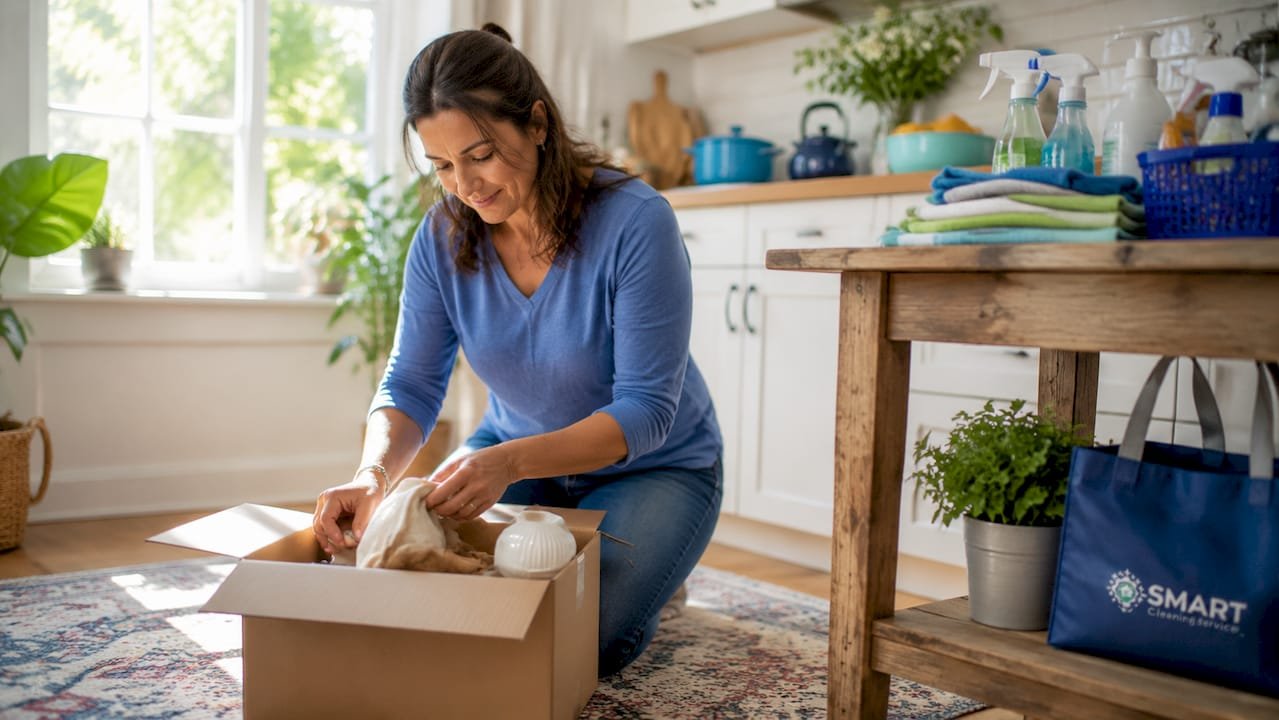
Spring cleaning is the annual practice of thoroughly deep cleaning and decluttering your home to create a healthier, more organized living environment. It goes well beyond your regular weekly routine. Where routine cleaning maintains surface tidiness, spring cleaning targets the areas that collect months of dust, allergens, and grime. 80% of U.S. households conduct spring cleaning annually. That number tells you this is not a trend. It is a deeply ingrained habit with real health and wellness payoffs.
What is spring cleaning and where did it come from?
Spring cleaning is defined as a thorough, once-a-year cleaning and decluttering session timed to the arrival of spring. The term is widely recognized, but the practice itself predates the phrase by centuries.
Spring cleaning evolved from a very practical need. Before central heating, homes burned wood and coal all winter. By march, soot and grime had coated every surface. Warmer weather finally made it possible to open windows, beat rugs outdoors, and scrub walls without freezing. The annual clean-out was a necessity, not a lifestyle choice.
Modern homes no longer deal with coal soot, but the tradition stuck for good reason. Today, the purpose shifted toward wellness:
- Removing dust mites, pet dander, and mold that accumulate over winter
- Improving indoor air quality after months of sealed windows
- Reducing respiratory irritants that worsen allergies and asthma
- Clearing visual clutter that contributes to stress and mental fatigue
- Refreshing the home environment to match the energy of a new season
The psychological dimension is real. Spring cleaning supports mental health by enabling a fresh start and reducing visual clutter. A cleaner space genuinely changes how you feel in it.
How does spring cleaning differ from regular cleaning?
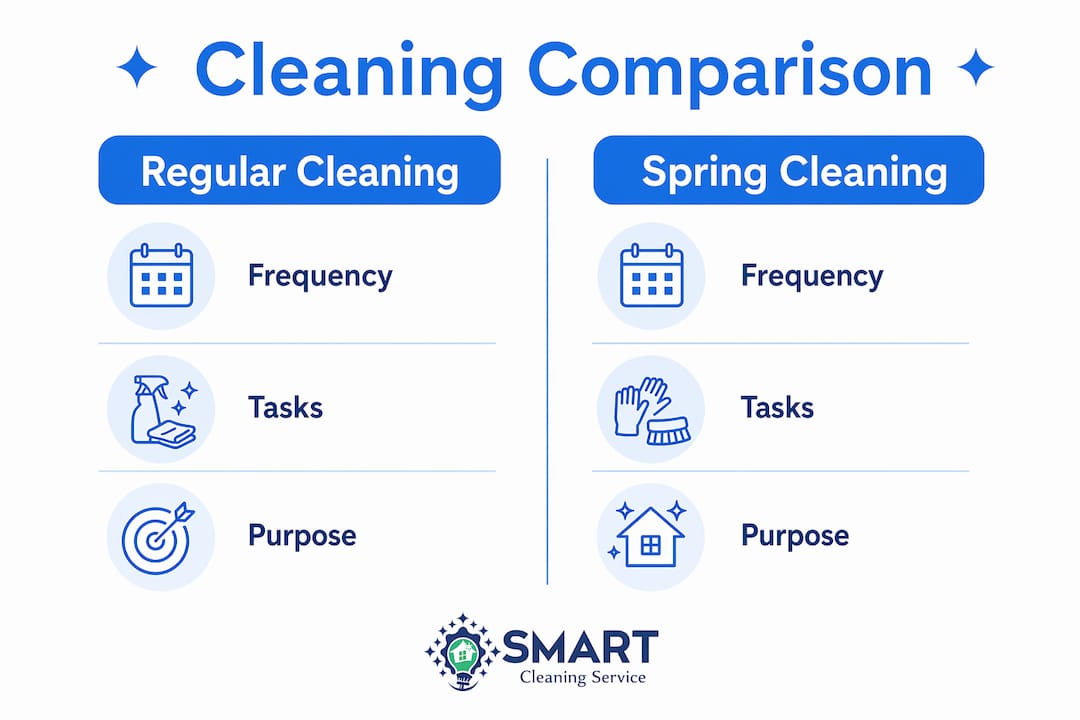
Regular cleaning and seasonal deep cleaning serve different purposes. Knowing the difference helps you plan your time and effort correctly.
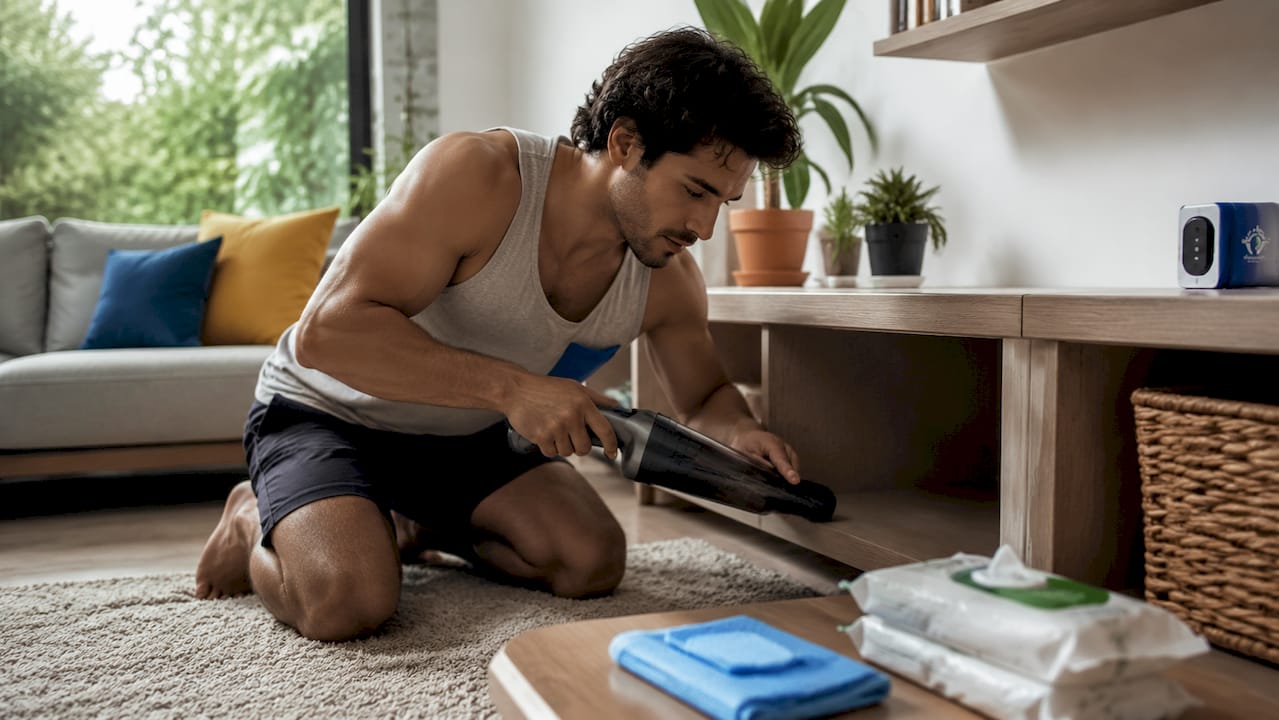
Regular cleaning covers the tasks you do weekly or biweekly: vacuuming floors, wiping counters, scrubbing toilets, and taking out trash. It maintains a baseline level of tidiness. Spring cleaning goes deeper. It targets areas that regular routines skip entirely, like the tops of cabinets, behind appliances, inside vents, and under furniture.
| Category | Regular cleaning | Spring cleaning |
|---|---|---|
| Frequency | Weekly or biweekly | Once or twice per year |
| Scope | Surface-level tidiness | Deep clean and declutter |
| Areas covered | High-traffic zones | Neglected and hidden areas |
| Goal | Maintain cleanliness | Reset and refresh the home |
| Time required | 1–3 hours | Multiple sessions over days |
One distinction that trips up many homeowners is the difference between cleaning, sanitizing, and disinfecting. Cleaning removes dirt and germs using soap or detergent. Sanitizing lowers the germ count to a safe level. Disinfecting kills viruses and bacteria on contact. For most spring cleaning tasks, cleaning is sufficient. Disinfecting is reserved for bathrooms, kitchens, and any area where illness has been present.
Pro Tip: Start every spring cleaning session by decluttering first. Skipping decluttering extends your labor and reduces the feeling of freshness, even after hours of scrubbing.
What should a comprehensive spring cleaning checklist include?
A solid spring cleaning checklist moves room by room and covers both cleaning tasks and light home maintenance. This room-by-room approach keeps you focused and prevents you from missing areas.
- Declutter every room first. Remove items you no longer use, donate what is still useful, and throw away the rest. Decluttering before cleaning saves significant time and effort.
- Dust from top to bottom. Start with ceiling fans, light fixtures, and crown molding. Work down to baseboards and floor vents. Gravity pulls dust downward, so always clean high surfaces before low ones.
- Launder all bedding in hot water. Wash sheets, pillowcases, duvet covers, and mattress protectors in water at 120°F or higher to kill dust mites effectively. This single step makes a measurable difference for allergy sufferers.
- Clean walls, windows, and window treatments. Wipe down walls with a damp microfiber cloth. Wash curtains or vacuum blinds. Clean window glass inside and out to maximize natural light.
- Deep clean the kitchen. Pull out the refrigerator and stove to clean behind them. Wipe down cabinet fronts, clean the inside of the oven, and descale the coffee maker.
- Scrub bathrooms thoroughly. Clean grout lines, descale showerheads, and wipe down exhaust fans. These areas harbor mold and mildew that regular cleaning misses.
- Vacuum and mop all floors. Use appropriate cleaners for each floor type. Move furniture to reach areas that weekly vacuuming skips.
- Replace or refresh your cleaning tools. Swap out worn mop pads, replace vacuum filters, and stock up on microfiber cloths. Quality tools like microfiber cloths and fresh vacuum filters improve efficiency and speed. Dull tools just push dirt around.
- Complete home maintenance tasks. Replace HVAC filters, test smoke alarms, and clear dryer vents. These tasks protect air quality and household safety year-round.
Pro Tip: Invest in essential cleaning equipment before you start. The right tools cut your cleaning time significantly and produce better results.
When and how to schedule spring cleaning for best results?
Timing your seasonal deep clean matters more than most homeowners realize. The ideal window is late march through may, when temperatures allow open windows and fresh air circulation. That ventilation helps dry surfaces faster and removes airborne dust as you clean.
The biggest mistake is attempting to finish everything in a single weekend. That approach leads to burnout and shortcuts. A far better strategy uses zone cleaning:
- Assign each zone a dedicated session of 15–20 minutes per area
- Spread sessions across two to three weeks rather than one marathon day
- Prioritize high-allergen zones first: bedrooms, living areas, and HVAC vents
- Schedule kitchen and bathroom deep cleans on separate days from decluttering
- Use a checklist to track completed zones and avoid repeating work
Zone cleaning extends the benefits throughout the year and reduces the need for exhausting all-day sessions. You can apply the same method quarterly to maintain the results of your spring effort. A home that gets zone-cleaned regularly never reaches the point where a full reset feels overwhelming.
After the seasonal deep clean, maintain your results with a consistent weekly routine. Wipe down surfaces, vacuum high-traffic areas, and address spills immediately. The goal is to make next year’s spring cleaning faster and easier than this year’s.
What are the health and wellness benefits of spring cleaning?
Spring cleaning delivers measurable health benefits that go well beyond a tidy appearance. The most direct impact is allergen reduction. Dust mites, pet dander, and mold spores accumulate in bedding, upholstery, and carpet over winter. A thorough clean removes these irritants and improves indoor air quality for everyone in the home, especially those with asthma or seasonal allergies.
“A clean home is not just about appearances. Removing accumulated dust, mold, and allergens through seasonal deep cleaning directly reduces respiratory irritants and creates a healthier indoor environment for the entire household.”
The mental health benefits are equally significant. Research consistently links cluttered, dirty environments to elevated stress and reduced focus. Clearing and cleaning your space creates a sense of order and accomplishment that carries into other areas of life. Many homeowners report better sleep and improved mood after completing a thorough seasonal clean. You can read more about annual cleaning habits and their long-term impact on home health.
The seasonal deep cleaning process also creates the right moment to address home maintenance tasks that directly affect air quality, like replacing HVAC filters and clearing dryer vents. These are not glamorous jobs, but they protect your family’s health and reduce fire risk.
Key Takeaways
Spring cleaning is the most effective annual reset a homeowner can do, combining allergen removal, decluttering, and home maintenance into one focused effort.
| Point | Details |
|---|---|
| Define the scope clearly | Spring cleaning is a deep, annual reset that targets neglected areas regular cleaning misses. |
| Declutter before you clean | Removing clutter first reduces labor time and delivers a stronger sense of freshness. |
| Use hot water for bedding | Laundering bedding at 120°F or higher kills dust mites and cuts indoor allergens significantly. |
| Zone clean to avoid burnout | Break sessions into 15–20 minute zones spread over two to three weeks for sustainable results. |
| Include home maintenance tasks | Replacing HVAC filters and testing smoke alarms during spring cleaning protects air quality and safety. |
Why I think most people approach spring cleaning backwards
Most homeowners treat spring cleaning as a cleaning problem. They buy new products, set aside a Saturday, and start scrubbing. That approach misses the point entirely.
The real foundation is decluttering. You cannot deep clean a cluttered room effectively. Surfaces are blocked, floors are covered, and you end up cleaning around things rather than cleaning the space itself. Every time I have seen someone skip the declutter step, they finish exhausted and the room still does not feel right. The physical act of removing what does not belong is what creates the feeling of a fresh start.
The second thing most people get wrong is the timeline. One full day of cleaning sounds productive. In practice, it produces rushed work, skipped areas, and a sore back. Spreading the process over two to three weeks with short, focused sessions produces better results and sticks as a habit. Zone cleaning is not a shortcut. It is the smarter method.
The part I find most underrated is the home maintenance angle. Replacing an HVAC filter takes five minutes and directly improves the air you breathe for the next three months. Testing a smoke alarm takes thirty seconds. These tasks belong in your spring cleaning routine, not on a separate list that never gets done.
Spring cleaning done right is not a chore. It is the most practical investment you make in your home and your health each year. Personalize the routine to your space and your schedule, and it becomes something you actually look forward to.
— Wilker
Professional deep cleaning support for Seattle homeowners
Spring cleaning covers a lot of ground, and some tasks genuinely benefit from professional hands. Grout scrubbing, appliance deep cleaning, and post-winter carpet care take time and equipment that most homeowners do not have on hand.
Smartcleaningwa provides residential deep cleaning for homeowners and renters across the Greater Seattle Area, including Seattle, Kirkland, Bellevue, and Redmond. The team handles the areas that get skipped during regular routines, from baseboards and vents to kitchen appliances and bathroom grout. Smartcleaningwa is licensed, insured, and focused on reliable communication with real-time updates. If you want the deep clean done right without spending your entire weekend on it, request a free estimate and get a plan that fits your home.
FAQ
What is spring cleaning in simple terms?
Spring cleaning is a thorough annual cleaning and decluttering of your home, typically done in spring, that targets areas skipped during regular routines to improve cleanliness, air quality, and organization.
How long does spring cleaning take?
The time varies by home size, but spreading the process over two to three weeks using 15–20 minute zone sessions is the most effective approach and prevents burnout.
Does spring cleaning actually reduce allergens?
Yes. Laundering bedding at 120°F or higher kills dust mites, and removing accumulated dust and pet dander from surfaces and vents directly reduces indoor allergens.
What is the difference between cleaning and disinfecting?
Cleaning removes dirt and germs using soap or detergent. Disinfecting kills viruses and bacteria on contact. For most spring cleaning tasks, cleaning is sufficient. Disinfecting is needed in bathrooms, kitchens, or after illness.
When is the best time to do spring cleaning?
Late march through may is the ideal window. Warmer temperatures allow open windows for ventilation, which helps surfaces dry faster and clears airborne dust as you work.
Recommended
- Smart Cleaning Service™ House Cleaning Seattle Kirkland Bellevue Redmond
- Smart Cleaning Service™ House Cleaning Seattle Kirkland Bellevue Redmond
- Smart Cleaning Service™ House Cleaning Seattle Kirkland Bellevue Redmond
- Smart Cleaning Service™ House Cleaning Seattle Kirkland Bellevue Redmond