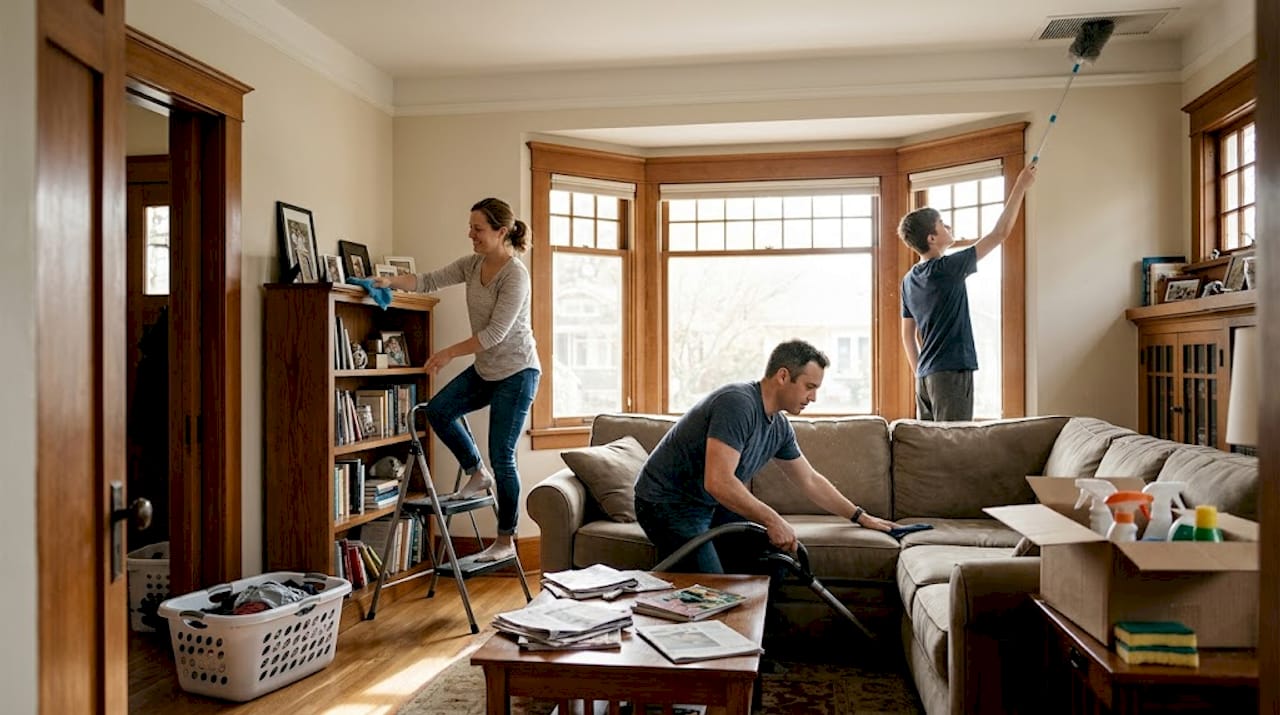
You vacuum every week, wipe the counters, and scrub the bathroom. But dust still settles fast, allergies flare up, and something just smells a little off. That’s because surface cleaning misses the allergens, mold spores, and embedded grime that actually affect your health. A real deep clean goes further, reaching behind appliances, inside vents, and under furniture where the real buildup hides. This guide walks you through exactly how to deep clean your home, room by room, with practical tips built for Seattle’s damp, mold-prone climate.
Table of Contents
- Gathering your deep clean essentials
- How to deep clean: Step-by-step room strategy
- Don’t miss these spots: High-impact areas
- How often should you deep clean your house?
- How to maintain your deep cleaning results
- Our take: Why Seattle homes need a proactive approach
- Need help? Let Seattle’s local deep cleaning pros handle it
- Frequently asked questions
Key Takeaways
| Point | Details |
|---|---|
| Preparation is key | Gather the right tools and plan each room to ensure an efficient, thorough deep clean. |
| Follow a system | Work top-to-bottom and room-by-room so you don’t miss hidden allergens or dust bunnies. |
| Seattle climate matters | Pair deep cleaning with moisture control and more frequent routines due to local humidity. |
| Prioritize high-touch spots | Don’t forget switches, vents, and under furniture to reduce germ buildup and allergy risks. |
Gathering your deep clean essentials
Before you move a single piece of furniture, get your supplies organized. Rushing into a deep clean without the right tools means you’ll stop and start repeatedly, which kills momentum and wastes time. Think of this as your pre-game checklist.
Here’s what you’ll need:
- Microfiber cloths (multiple sets, one per room)
- HEPA vacuum with attachments for upholstery and crevices
- Scrub brushes in multiple sizes for grout, corners, and appliances
- Non-toxic, all-purpose cleaner safe for surfaces and people
- Rubber gloves and an N95 or dust mask for heavy-duty areas
- Mop and bucket with a wringing mechanism
- Spray bottles for DIY solutions
- Dehumidifier (especially important for Seattle homes)
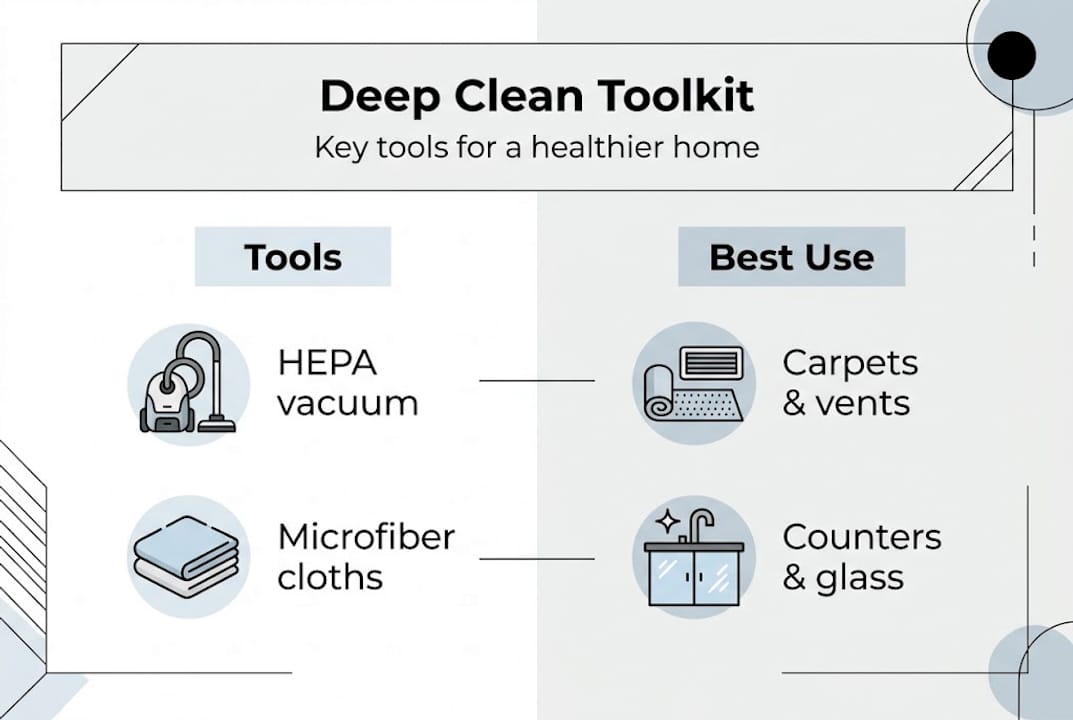
Microfiber and HEPA tools are the gold standard for pulling embedded dirt and allergens out of surfaces rather than just spreading them around. A regular cloth or standard vacuum simply can’t match their performance.
| Tool | Best use |
|---|---|
| HEPA vacuum | Carpets, upholstery, vents, baseboards |
| Microfiber cloths | Counters, appliances, glass, furniture |
| Scrub brush (stiff) | Grout, tile, oven interior |
| Scrub brush (soft) | Delicate surfaces, wood trim |
| Dehumidifier | Bathrooms, basements, laundry rooms |
| Non-toxic cleaner | All-purpose surface cleaning |
| Rubber gloves | Chemical and grime protection |
For safety, always wear gloves when handling cleaning products, even gentle ones. A dust mask matters more than people think, especially when disturbing old dust in vents or behind furniture. You can find more guidance on the right deep cleaning tools for your home before you get started.
Pro Tip: Walk through every room before you begin and restock anything you’re low on. Running out of microfiber cloths mid-clean is a common setback. In Seattle, also check that your dehumidifier is working properly since moisture control is half the battle.
How to deep clean: Step-by-step room strategy
With your tools ready, it’s time to tackle each room using a systematic method. The most efficient approach is always top-to-bottom, meaning you start at ceiling level and work down so that dust and debris fall to the floor for a final vacuum or mop at the end.
Always declutter first. Clearing surfaces before you clean them saves you from moving things twice and lets you actually reach every corner.
Step-by-step room order:
- Bedrooms: Strip and wash all bedding. Dust ceiling fans, light fixtures, and blinds. Wipe furniture, clean mirrors, vacuum under the bed.
- Living areas: Dust shelves and electronics. Clean upholstery and cushions. Move furniture and vacuum underneath. Wipe baseboards.
- Kitchen: Clean inside the oven, microwave, and refrigerator. Degrease stovetop and hood vent. Wipe cabinet fronts and handles. Scrub sink and faucet.
- Bathrooms: Scrub grout and tile. Disinfect toilet inside and out. Clean mirror, faucets, and showerhead. Check for mold around caulking.
- General surfaces: Wipe all light switches, doorknobs, and handles. Vacuum vents and replace filters if needed.
A full house deep clean takes eight or more hours for most homes. Breaking it into rooms across two days is a smart move if you’re working alone.
In Seattle, moisture is a real concern. After cleaning bathrooms or any damp area, run exhaust fans for at least 20 minutes. A room-by-room checklist helps you stay on track and avoid skipping zones under time pressure.
| Factor | DIY deep clean | Professional deep clean |
|---|---|---|
| Tools required | You supply everything | Pros bring commercial-grade gear |
| Time investment | 8 to 12 hours | 3 to 5 hours with a team |
| Mold treatment | Surface-level only | Extraction and antimicrobials |
| Allergen removal | Good with HEPA vacuum | Thorough, including hidden zones |
| Cost | Low upfront | Higher but time-saving |
For a deeper look at how the deep cleaning process works professionally, it helps to compare what each approach actually covers. You can also review cleaning frequency in Seattle to build a schedule that fits your home.
Don’t miss these spots: High-impact areas
Every methodical deep clean should include those easy-to-forget zones that make a big difference. These spots collect germs, dust, and allergens at a surprising rate, yet they rarely get attention during a regular weekly clean.
High-impact areas you should never skip:
- Light switches and outlet covers (touched dozens of times daily)
- TV remotes and game controllers
- Doorknobs and cabinet handles
- Refrigerator door seals and dishwasher edges
- Under and behind large appliances
- Vent covers and air return grilles
- Baseboards and door frames
- Inside the washing machine drum and dryer lint trap
“Cleaning high-touch surfaces regularly and disinfecting when illness is present reduces the spread of pathogens in the home.” — CDC
This matters more than most people realize. Those vent covers alone can harbor years of dust and mold spores that recirculate every time your HVAC runs. In Seattle’s damp climate, that’s a real health concern. If you’re in the Eastside area, check out what deep cleaning in Redmond looks like when professionals handle these zones.
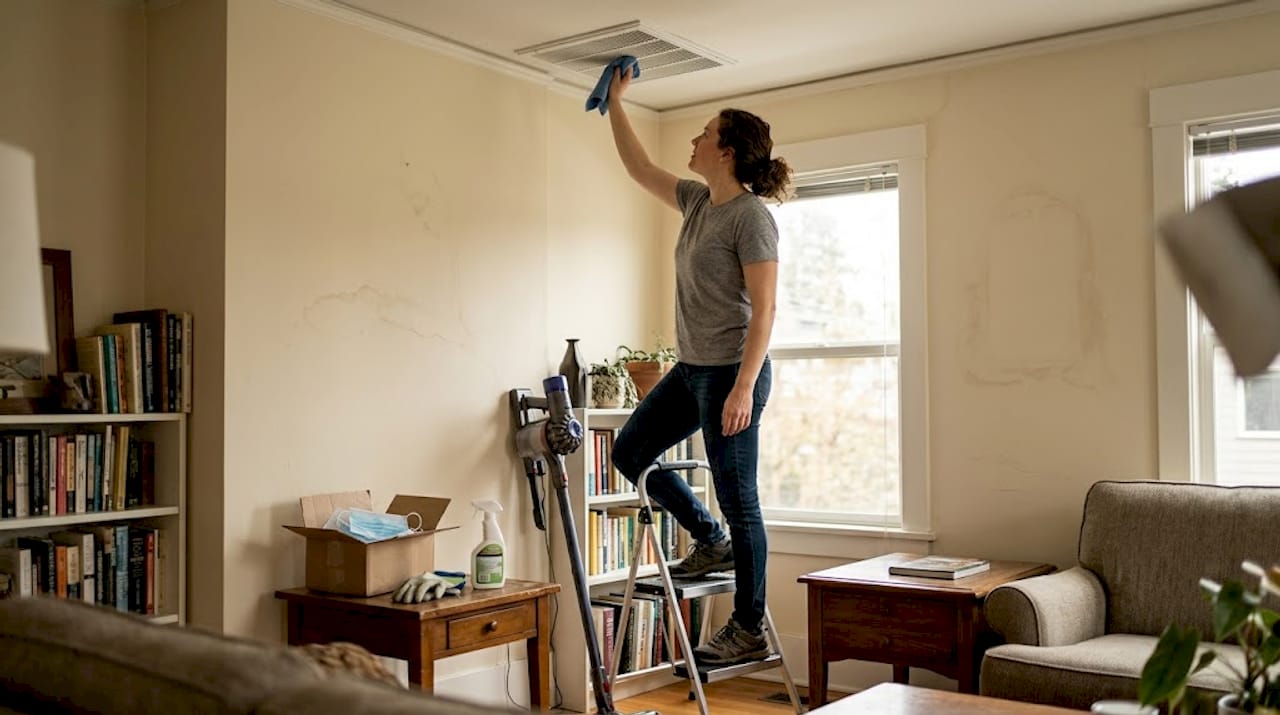
Pro Tip: Always dry dust or pre-vacuum these areas before applying any wet cleaner. Wet cleaning over dry dust just smears it around and can push grime deeper into surfaces. Dry first, then disinfect.
How often should you deep clean your house?
Knowing the right timing prevents wasted effort and minimizes allergens year-round. The general industry consensus, backed by health guidance, is every three to six months for most households. But Seattle is not most places.
Because of the region’s persistent moisture, mild temperatures, and heavy pollen seasons, quarterly deep cleans are the smarter standard here. That means every three months, not every six.
Signs you need a deep clean sooner than scheduled:
- Visible dust buildup on furniture within days of cleaning
- Pet hair accumulating faster than you can vacuum
- A musty or mold-like smell in bathrooms or closets
- Allergy symptoms flaring up indoors
- Recent illness in the household
- Just finished a renovation or construction project
- Hosting a large gathering or moving into a new space
Customize your schedule based on your household. Homes with pets, young children, or allergy sufferers should lean toward the three-month mark. Smaller households without pets may manage every four months. Pairing a routine home cleaning schedule with periodic deep cleans keeps results consistent without burning out.
Pro Tip: Sync your deep cleans with the seasons. Spring is ideal for post-winter dust and mold. Fall is perfect before you seal up the house for colder months. Check your Seattle cleaning schedule to build a rhythm that actually sticks.
How to maintain your deep cleaning results
A few easy routines can extend your results and prevent the problems that make deep cleans such a project. The goal is not to clean less, but to make each clean less of an ordeal.
High-impact weekly habits:
- Vacuum high-traffic areas at least twice a week
- Wipe kitchen counters and stovetop after every use
- Run bathroom exhaust fans during and after every shower
- Enforce a shoes-off policy at the door to block outdoor allergens
- Spot-clean spills immediately before they set and stain
- Empty trash bins before they overflow to prevent odors
Moisture control is the single most important maintenance habit for Seattle homes. Pairing regular cleaning with moisture control dramatically reduces mold risk and keeps surfaces cleaner longer. Keep indoor humidity between 30 and 50 percent using a dehumidifier in bathrooms, basements, and laundry rooms.
Setting a simple reminder on your phone or calendar for monthly and quarterly tasks removes the guesswork. You don’t need a complicated system. A basic recurring reminder is enough to keep things from slipping. For region-specific advice, Bothell deep cleaning tips offer practical guidance on managing Seattle-area moisture year-round.
Pro Tip: After every shower, squeegee the walls and leave the door open. This one habit cuts mold growth on tile and grout by a significant margin and takes about 30 seconds.
Our take: Why Seattle homes need a proactive approach
Here’s something most cleaning guides won’t tell you. Regular cleaning, even done consistently, is often not enough in Seattle. The combination of mild temperatures, persistent rain, and older housing stock creates conditions where mold and allergens can establish themselves faster than a weekly wipe-down can address.
We’ve seen it firsthand. Homes that look clean on the surface can have serious allergen buildup in vents, behind walls, and under flooring. DIY deep cleaning absolutely helps, but it has limits. Standard tools don’t reach embedded spores, and surface-level disinfectants don’t address the moisture source.
The homeowners who stay healthiest are the ones who treat cleaning as prevention, not reaction. They don’t wait until something smells or looks wrong. They schedule quarterly deep cleans, control humidity actively, and bring in professionals for the jobs that need extraction-grade equipment or antimicrobial treatment.
Seattle’s mix of older craftsman homes and newer construction also means air quality varies widely from one property to the next. If you’re curious what a professional assessment looks like, the Kirkland deep cleaning experience shows what proactive, thorough cleaning actually delivers.
Need help? Let Seattle’s local deep cleaning pros handle it
If you want deep results with less hassle, a local pro cleaning crew can deliver the transformation. Deep cleaning is genuinely hard work, and the toughest spots, including mold-prone grout, allergen-packed vents, and years of buildup behind appliances, often need professional-grade tools to fully address.
Smart Cleaning Service works with homeowners and renters across the Greater Seattle Area to deliver thorough, reliable deep cleans that protect your home’s air quality and your family’s health. Our team is licensed, insured, and focused on the details that matter. Whether you need a one-time reset or a recurring plan, our Seattle deep cleaning pros are ready to help. Get a free cleaning estimate and see how easy a healthier home can be.
Frequently asked questions
What is the difference between deep cleaning and regular cleaning?
Deep cleaning targets hidden dirt, grime, and allergens across all surfaces, including inside appliances, behind furniture, and inside vents. Regular cleaning covers visible surfaces only.
How long does it usually take to deep clean a whole house?
Most homes require eight or more hours for a complete deep clean. Splitting the work across multiple sessions by room is a practical option for solo cleaners.
How often should I deep clean if I live in Seattle?
Aim for every three months since Seattle’s climate accelerates mold and dust buildup faster than drier regions.
Can I deep clean my house myself or should I hire professionals?
DIY deep cleaning is very doable with the right tools and time, but pros handle embedded spores and moisture-related buildup more effectively using extraction equipment and antimicrobials.
Which cleaning products are safest for homes with pets or small children?
Use non-toxic, unscented cleaners and always follow label directions carefully to keep your household safe during and after cleaning.
Recommended
- Deep Cleaning Services Seattle | Smart Cleaning WA
- Professional Deep Cleaning Services in Kirkland, WA
- Redmond Deep Cleaning: Your Home’s Ultimate Refresh
- Top-Notch Deep Cleaning Services in Bothell, WA
Article generated by BabyLoveGrowth