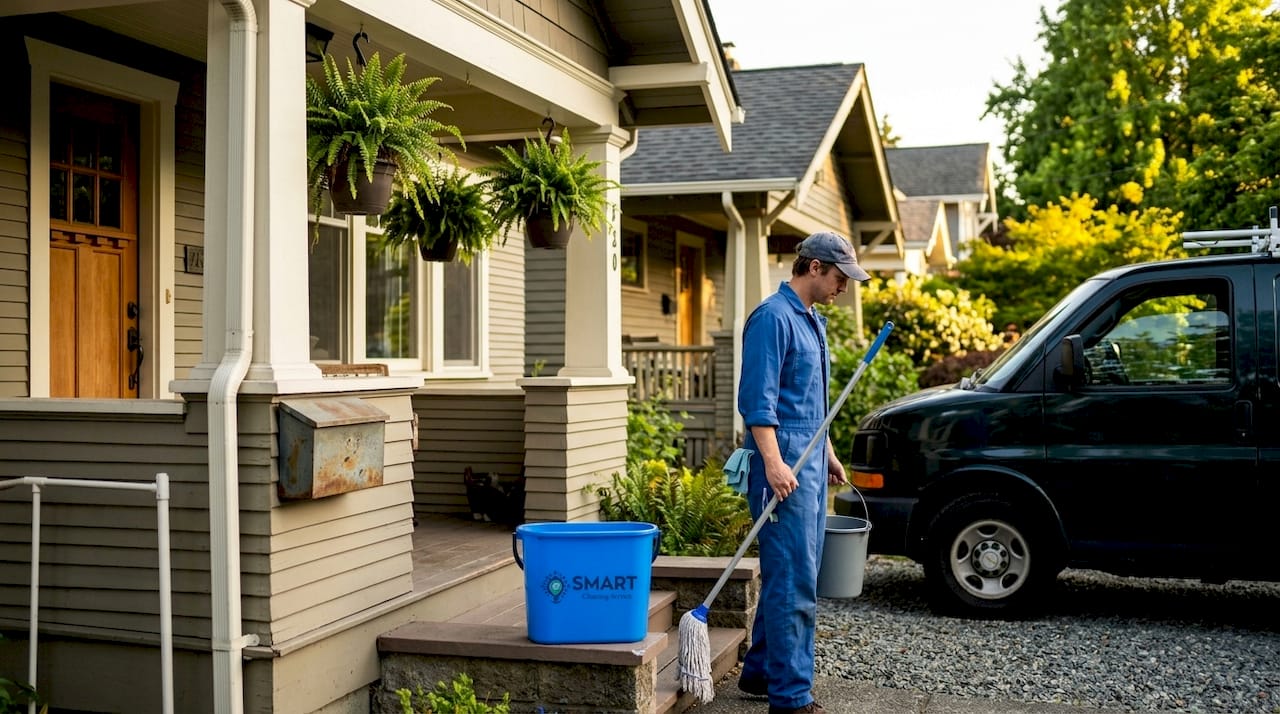
For a move-out visit, review your lease checklist and agree the cleaning priorities before scheduling. Cleaning is separate from the landlord’s inspection and deposit decision.
Table of Contents
- How to choose the right cleaning service in Seattle
- Overview of main cleaning service types
- Deep cleaning vs. routine cleaning: What’s right for your property?
- Move-in/move-out cleaning and what property managers expect
- Airbnb turnover service: Speed, standards, and what hosts should know
- Our take: Stop treating all cleaning services as interchangeable
- Ready to book the right clean for your Seattle property?
- Frequently asked questions
Key Takeaways
| Point | Details |
|---|---|
| Match service to need | Choose cleaning services based on your property’s size, timing, and specific goals for best value. |
| Expect local price ranges | Request a quote based on the agreed tasks, team rate, minimum charge and estimated time. |
| Check insurance and checklists | Professional cleaners should be insured and provide itemized checklists, especially for rentals and turnovers. |
| Deep cleaning for major resets | Schedule deep cleaning for move-ins, move-outs, or as seasonal refreshes for lasting results. |
| Use specialist teams for Airbnbs | Confirm the scope before booking |
How to choose the right cleaning service in Seattle
With your goals in mind, let’s explore the main factors to consider when picking a cleaning service.
Before you call anyone, you need to get clear on what your property actually needs. The most common mistake Seattle homeowners and property managers make is hiring a standard residential cleaner for a job that requires move-out or deep cleaning standards. Those are completely different scopes of work, and the gap in results can be significant.
Here are the key factors to assess before you book:
- Type and size of property. A 400 sq ft studio Airbnb has different needs than a 2,500 sq ft family home being vacated after five years of tenants.
- Timing and speed required. Airbnb turnovers often need to be completed in under four hours. Move-out cleans may take a full day or more.
- Scope of service. Are you looking for a surface-level refresh, a thorough deep clean, or a tenant-ready scrub of every cabinet and appliance?
- Recurring vs. one-time need. Regular recurring cleanings are usually priced lower per visit than one-time services.
- Budget. Seattle cleaning rates are generally above national averages, so knowing your ceiling before you call saves everyone time.
Smart Cleaning Service is licensed, insured and BBB accredited. Service requirements should be reviewed with the office before booking. Insurance coverage depends on the policy and the circumstances of a claim. Related reading: Cleaning for tenant satisfaction.
For kitchen work, identify the accessible counters, sink and appliance surfaces to be cleaned. Appliance interiors and other additional tasks should be discussed before the visit.
Overview of main cleaning service types
With the right criteria in mind, let’s see how the main types of cleaning services compare.
Seattle’s cleaning market covers five core service types, each built for a specific property situation. Understanding what each one delivers, how long it takes, and what it costs helps you make a faster, smarter decision.
| Service type | What’s included | Typical duration | Pricing basis | Best for |
|---|---|---|---|---|
| Regular/routine cleaning | Vacuuming, mopping, bathrooms, kitchen surfaces, dusting | 2 to 4 hours | Quoted from the agreed scope and team time | Ongoing home upkeep |
| Deep cleaning | Routine tasks and agreed detail work; discuss appliance interiors and interior windows before booking | 4 to 8+ hours | Quoted from the agreed scope and team time | Seasonal, first-time, post-illness |
| Move-in/move-out | Agreed tasks for accessible vacant rooms, appliances, cabinets and floors | 4 to 10 hours | Request a quote for the property | Property transitions, tenant changes |
| Airbnb turnover | Routine surface cleaning | 2 to 4 hours | Request a quote for the property | Short-term rental hosts |
| Commercial/office | Workstations, restrooms, common areas, trash, floors | Varies | Confirmed after a walkthrough | Offices, retail, mixed-use |
Compare estimates by the work listed, team size, minimum charge and billing method. Confirm the scope and any additional charges before the appointment. Related reading: residential cleaning services explained.
One thing the table makes obvious: move-in/move-out cleaning is a category unto itself, both in scope and price. Don’t expect a routine clean to satisfy a property manager’s inspection.
Deep cleaning vs. routine cleaning: What’s right for your property?
Next, we’ll break down the most common categories: regular and deep cleaning, and when to choose each.
Most Seattle homeowners start with routine cleaning and eventually realize they need something more thorough. Routine cleaning is maintenance. Deep cleaning is restoration. Knowing the difference keeps you from paying for more than you need, or worse, booking too little and having an unsatisfactory result.
What routine cleaning covers:
- Wiping down counters and surfaces
- Cleaning bathrooms and kitchen surfaces
- Vacuuming and mopping floors
- Emptying trash
- Dusting furniture and light fixtures
What deep cleaning adds:
- Inside the oven, microwave, and refrigerator
- Inside cabinets and drawers
- Scrubbing grout lines in bathrooms and kitchens
- Cleaning baseboards, windowsills, and door frames
- Removing buildup in tile and hard-to-reach areas
| Cleaning type | Pricing basis | Time needed | When to schedule |
|---|---|---|---|
| Routine/standard | Quoted from the agreed scope and team time | 2 to 4 hours | Weekly, bi-weekly, monthly |
| Deep cleaning | Quoted from the agreed scope and team time | 4 to 8+ hours | Seasonal, pre-listing, post-illness |
Move-in/move-out cleaning, which covers comprehensive vacant property standards including inside cabinets, appliances, and walls, bridges between deep and specialized cleaning. It’s the most labor-intensive residential category and requires a team that understands exactly what property managers and landlords expect to see.
For Seattle properties specifically, scheduling deep cleaning services twice a year makes sense given the Pacific Northwest’s wet climate. Mold spores, mildew, and moisture-related grime build up faster here than in drier climates. If you have a home with older windows or rooms with limited airflow, that interval may need to shrink to every three months.
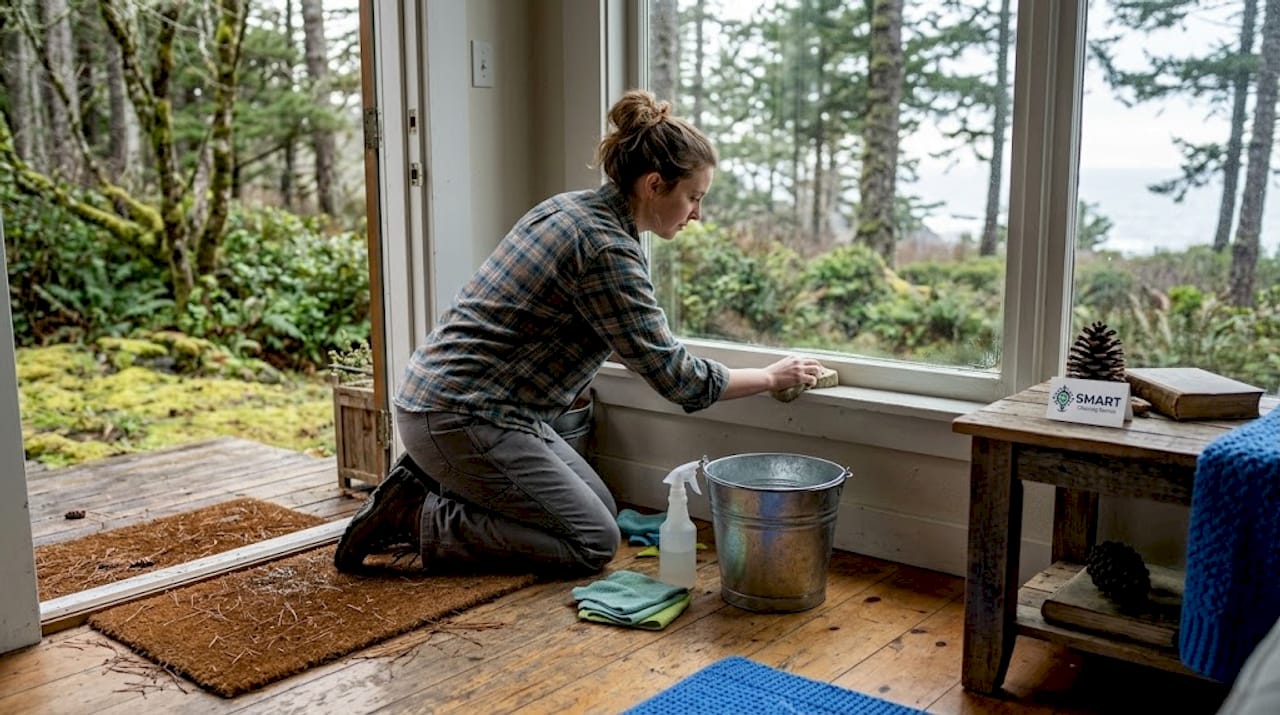
Routine home cleaning on a recurring basis keeps deep cleaning easier and less expensive over time. Think of it this way: a home that gets cleaned every two weeks rarely needs more than two to three hours for a deep clean. A home that goes six months between any professional cleaning can take a full day.
Pro Tip: Schedule a deep clean before listing your property for sale or rent. A freshly deep-cleaned home photographs better, shows better, and signals to prospective buyers or tenants that the property has been well maintained. It’s one of the highest-return investments you can make before going to market.
Move-in/move-out cleaning and what property managers expect
For anyone handling a property transition, move-in/move-out cleaning is a special category worth its own focus.
For a move-out visit, review your lease checklist and agree the cleaning priorities before scheduling. Cleaning is separate from the landlord’s inspection and deposit decision.
Here’s what a thorough move-out clean should cover:
- Interior of all appliances including the oven, refrigerator, dishwasher, and microwave
- Inside all cabinets and drawers in the kitchen and bathrooms
- Full bathroom scrub including grout, tile, toilet, sink, and shower or tub
- All baseboards, door frames, and window sills
- Walls to address any scuffs, marks, or buildup that goes beyond ordinary wear
- All floors vacuumed and mopped including under furniture if still present
- Garage, laundry room, and any storage areas included in the rental
Requirements vary with the property, activity and circumstances. Review the applicable requirements with a qualified adviser; a cleaning appointment does not certify legal or regulatory compliance.
Requirements vary with the property, activity and circumstances. Review the applicable requirements with a qualified adviser; a cleaning appointment does not certify legal or regulatory compliance.
This is exactly why photo documentation matters. A professional cleaning team that uses a move-out cleaning checklist and takes before-and-after photos protects both the tenant and the property manager. It creates a clear record that holds up in any dispute.
The cleaning plan should identify the rooms, tasks and priorities for your visit. Tell the office about access restrictions, delicate surfaces or areas that should be left alone. Related reading: move-in/out cleaning guidance.
Airbnb turnover service: Speed, standards, and what hosts should know
Now, for the fastest-growing niche: managing Airbnb turnovers and short-term rental cleaning.
Seattle’s short-term rental market is competitive. Guests book based on photos, ratings, and reviews, and cleanliness consistently ranks as the number one factor in guest satisfaction scores. One bad cleanliness review can drop your listing’s overall rating fast. Airbnb turnover cleaning is a specific discipline, and it’s not interchangeable with standard residential cleaning.
Here’s what makes it different:
- Speed is everything. A 2-bedroom Airbnb often has a four-hour window between guest checkout and the next check-in. The team needs to complete a full reset in that time.
- Linen service is part of the job. Stripping beds, washing or swapping linens, remaking beds to hotel standards, and restocking towels are all expected.
- Restocking amenities. Soap, shampoo, toilet paper, coffee pods, paper towels, and any other provided supplies need to be checked and replenished every single turn.
- For kitchen work, identify the accessible counters, sink and appliance surfaces to be cleaned. Appliance interiors and other additional tasks should be discussed before the visit.
- Damage checks. A trained turnover team walks through the property looking for anything broken, missing, or damaged before it becomes a guest complaint.
An Airbnb turnover clean typically takes two to four hours for a two-bedroom property and costs between $100 and $250 in urban Seattle markets. That range shifts based on the size of the property and whether linen laundering is included or handled separately.
Professional Airbnb cleaning services typically use team of threes with photo verification and custom checklists built around each individual property. That customization matters because a studio downtown has completely different amenity and setup needs than a three-bedroom house in Ballard or a condo near Pike Place.
Hosts who want top ratings need to think beyond the per-turnover clean. Scheduling a full deep clean every three to six months catches the buildup that quick turnovers miss: grime under appliances, soap scum in tile grout, dust accumulation in vents, and wear on high-traffic areas like kitchen floors and bathroom walls.
Pro Tip: Build your Airbnb cleaning schedule around your booking calendar, not just your gut feeling. If you’re running 15 or more bookings a month, schedule a deep clean at the 90-day mark no matter what. Guests notice the difference, and your ratings will reflect it.
For home cleaning visits, we send a message when we are on the way and another when the cleaning is finished. Discuss other communication needs with the office before booking. Related reading: organizing Airbnb cleaning teams.
Our take: Stop treating all cleaning services as interchangeable
Here’s something most cleaning guides won’t say directly: the biggest source of frustration for Seattle property owners isn’t finding a cleaner, it’s hiring the wrong type of clean for the job. We see it regularly. A homeowner books a standard clean before listing their home, and the result doesn’t meet buyer expectations because baseboards, inside appliances, and windows weren’t included. Or a property manager gets a quote for a move-out clean and chooses the cheapest option, only to have the new tenant complain about grime in the cabinets on day one.
Dusting can be included for accessible surfaces in the agreed rooms. Point out delicate items, shelves that should be left alone and any areas that need additional attention.
For a move-out visit, review your lease checklist and agree the cleaning priorities before scheduling. Cleaning is separate from the landlord’s inspection and deposit decision.
Ready to book the right clean for your Seattle property?
If you’ve read this far, you already know more about matching cleaning services to property needs than most people who call us for the first time. The next step is putting that knowledge to work.
The work for your visit should be agreed in the quote. Our team focuses on cleaning accessible surfaces, kitchens, bathrooms and floors, with additional priorities discussed before the appointment.
Frequently asked questions
What’s typically included in a move-in or move-out cleaning?
A move-in or move-out clean covers vacant property essentials including inside cabinets, appliances, baseboards, and walls to meet the standards property managers require for inspections and tenant transitions.
Can I be charged for cleaning after moving out in Seattle?
Requirements vary with the property, activity and circumstances. Review the applicable requirements with a qualified adviser; a cleaning appointment does not certify legal or regulatory compliance.
How is Airbnb cleaning different from regular residential cleaning?
Identify the interior glass or mirrors you want cleaned and confirm which tasks are included. Access and surface condition should be reviewed before the appointment.
How often should I schedule a deep cleaning?
A deep cleaning every three to six months is the standard recommendation, especially for active short-term rentals, properties with high foot traffic, or Seattle homes dealing with moisture-related buildup.
Recommended
- Smart Cleaning Service™ House Cleaning Seattle Kirkland Bellevue Redmond
- Seattle Regular House Cleaning Services | Smart Cleaning
- Smart Cleaning Service™ House Cleaning Seattle Kirkland Bellevue Redmond
- Home Office House Cleaning Seattle | Smart Cleaning Service™