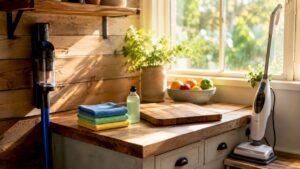
We use one standard line of professional cleaning products. We don’t supply a separate eco-friendly or pet-friendly product line. If you want a specific product used, please supply it and discuss it with the office before the visit. The team may decline products that aren’t suitable for the task or surface.
Table of Contents
- Establishing a safe and effective cleaning routine
- Kitchen Cleaning Tasks
- Bathroom Cleaning Tasks
- Safe cleaning product use and storage for family health
- Routine Cleaning Tasks and Priorities
- Routine Cleaning Tasks and Priorities
- Routine Cleaning Tasks and Priorities
- Frequently asked questions
Key Takeaways
| Point | Details |
|---|---|
| Routine surface cleaning | Routine surface cleaning |
| Routine beats overload | Confirm the scope before booking |
| Prioritize moisture control | Routine surface cleaning |
| Products discussed before service | Proper product storage, ventilation, and never mixing chemicals reduces health risks. |
| Hand hygiene is key | Routine surface cleaning |
Establishing a safe and effective cleaning routine
For routine home cleaning, discuss dusting, floor care, kitchen surfaces and bathroom tasks. Detailed or additional work should be agreed before the appointment.
Dusting can be included for accessible surfaces in the agreed rooms. Point out delicate items, shelves that should be left alone and any areas that need additional attention.
Dusting can be included for accessible surfaces in the agreed rooms. Point out delicate items, shelves that should be left alone and any areas that need additional attention.
Choose a visit frequency based on the property, use of the space and tasks you want addressed. Discuss scheduling and the cleaning scope with the office before booking. Related reading: regular home cleaning tips.
The cleaning plan should identify the rooms, tasks and priorities for your visit. Tell the office about access restrictions, delicate surfaces or areas that should be left alone.
- A home cleaning visit can include kitchens, bathrooms, accessible surfaces and floors. Share the areas you want addressed and confirm the tasks in your quote.
- The cleaning plan should identify the rooms, tasks and priorities for your visit. Tell the office about access restrictions, delicate surfaces or areas that should be left alone.
- For routine home cleaning, discuss dusting, floor care, kitchen surfaces and bathroom tasks. Detailed or additional work should be agreed before the appointment.
- Divide tasks by room and day to keep sessions under 30 minutes
- Revisit your schedule seasonally, since Seattle’s rainy months demand more moisture management than July
A home cleaning visit can include kitchens, bathrooms, accessible surfaces and floors. Share the areas you want addressed and confirm the tasks in your quote.
When you need to go deeper than a surface wipe, deep cleaning strategies can help you cover the areas a weekly routine misses without turning your Saturday into a full workday.
Kitchen Cleaning Tasks
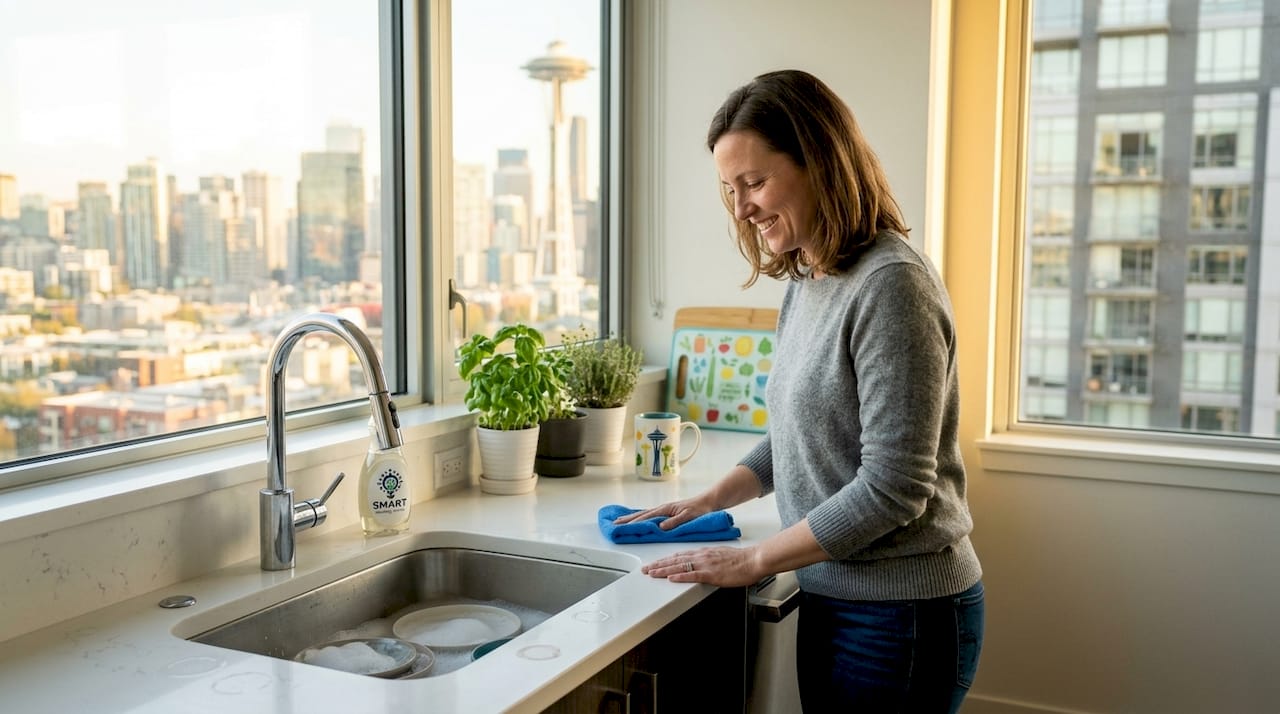
For kitchen work, identify the accessible counters, sink and appliance surfaces to be cleaned. Appliance interiors and other additional tasks should be discussed before the visit.
For kitchen work, identify the accessible counters, sink and appliance surfaces to be cleaned. Appliance interiors and other additional tasks should be discussed before the visit.
For kitchen work, identify the accessible counters, sink and appliance surfaces to be cleaned. Appliance interiors and other additional tasks should be discussed before the visit.
- Use separate cutting boards for raw proteins and produce, labeled or color-coded so you never mix them up
- Refrigerate leftovers within two hours of cooking to stop bacterial growth in its tracks
- For kitchen work, identify the accessible counters, sink and appliance surfaces to be cleaned. Appliance interiors and other additional tasks should be discussed before the visit.
- Wipe down high-touch surfaces daily: refrigerator handle, microwave buttons, faucet knobs
- The cleaning plan should identify the rooms, tasks and priorities for your visit. Tell the office about access restrictions, delicate surfaces or areas that should be left alone.
Pro Tip: Your sponge is almost certainly the germiest item in your home. Microwave it damp for 60 seconds every other day, or switch to a silicone scrubber that dries completely between uses.
For a broader look at how these habits fit into a full home cleaning approach, kitchen cleaning techniques walk through what thorough actually looks like in practice.
Bathroom Cleaning Tasks
Seattle’s bathroom is its own microclimate. With rain outside six months of the year and steam inside the shower daily, moisture is a constant battle. The goal in the bathroom is not just cleanliness. It is dryness.
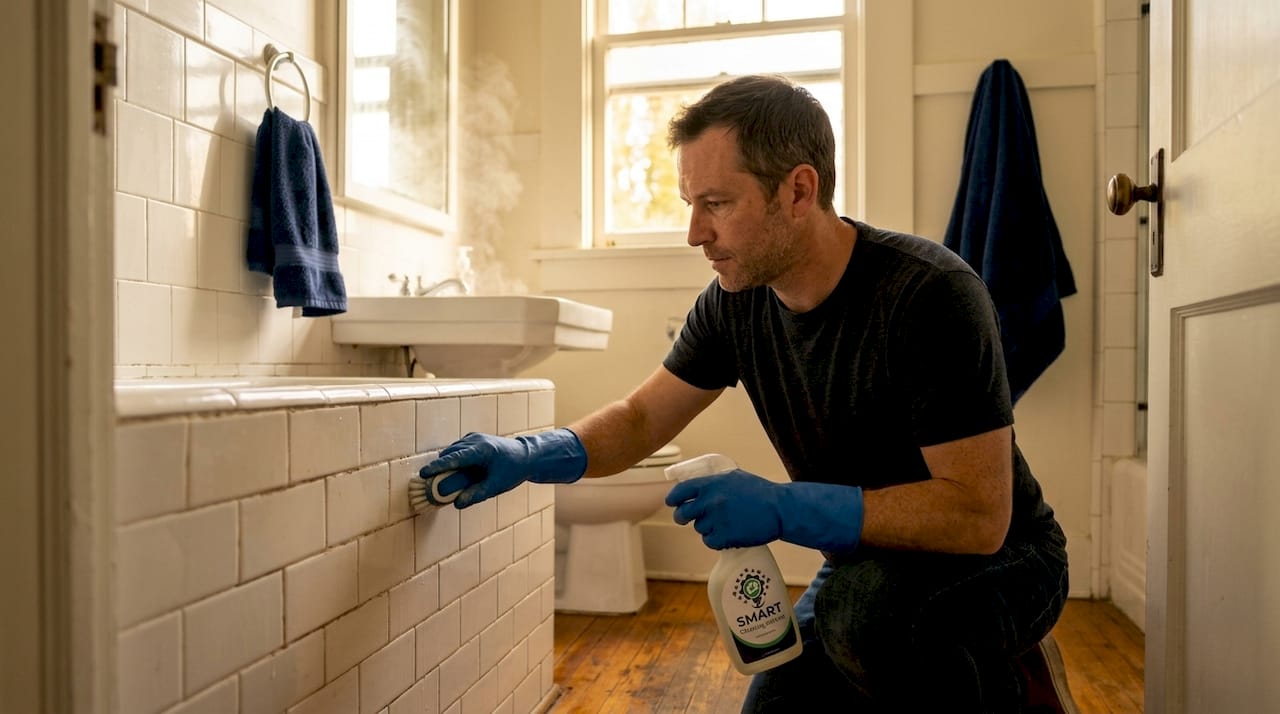
Discuss the bathroom surfaces and fixtures that need attention. Tell the office about buildup, delicate finishes or maintenance issues before scheduling.
Practical bathroom cleaning habits:
- For kitchen work, identify the accessible counters, sink and appliance surfaces to be cleaned. Appliance interiors and other additional tasks should be discussed before the visit.
- Wipe down shower walls after each use with a squeegee to remove standing water
- Fix any dripping faucets or slow drains immediately. Pooled water underneath a cabinet is mold’s ideal home
- Discuss the bathroom surfaces and fixtures that need attention. Tell the office about buildup, delicate finishes or maintenance issues before scheduling.
- Dry bath mats completely between uses, or wash them weekly
For Seattle homes specifically, seasonal deep cleaning tips address the mold-prone corners that standard weekly cleaning tends to overlook, especially heading into fall.
Pro Tip: Leave your bathroom exhaust fan running for at least 20 minutes after a shower. If your fan takes longer than 20 minutes to clear steam from the mirror, it may be undersized or clogged with dust.
Safe cleaning product use and storage for family health
This is the section most cleaning articles skip because it feels obvious. It is not. Cleaning product incidents send thousands of Americans to emergency rooms every year, and the cause is almost never the product itself. It is how the product was used.
Follow the product label and the surface manufacturer’s care instructions. Do not mix cleaning products. Discuss any specific product request before a professional visit.
Safe product use checklist:
- Store all cleaners in their original containers with labels intact
- Keep products locked up and out of reach of children and pets
- Open windows or run a fan any time you use chemical cleaners indoors
- Wear gloves for any product that carries a warning or caution label
- For routine home cleaning, discuss dusting, floor care, kitchen surfaces and bathroom tasks. Detailed or additional work should be agreed before the appointment.
- Never leave products unattended around children during use
We use one standard line of professional cleaning products. We don’t supply a separate eco-friendly or pet-friendly product line. If you want a specific product used, please supply it and discuss it with the office before the visit. The team may decline products that aren’t suitable for the task or surface.
We use one standard line of professional cleaning products. We don’t supply a separate eco-friendly or pet-friendly product line. If you want a specific product used, please supply it and discuss it with the office before the visit. The team may decline products that aren’t suitable for the task or surface. Related reading: safe cleaning practices.
Routine Cleaning Tasks and Priorities
The most common reason cleaning routines fail is not laziness. It is that the list has no structure, so every session feels like starting from scratch. A room-by-room cleaning checklist solves this.
Breaking cleaning into room-by-room tasks helps consistency and reduces the feeling of being overwhelmed, which in turn improves how well you stick to infection-prevention habits long term.
Sample weekly structure:
- Monday: Wipe kitchen counters, stovetop, and high-touch surfaces
- Tuesday: Full bathroom clean including toilet, sink, and shower
- Wednesday: Vacuum main living areas and shake out rugs
- Thursday: Laundry including sheets and towels in warm or hot water
- Friday: Dust surfaces, clean mirrors, empty all trash cans
- Saturday: Mop hard floors and spot-clean any problem areas noticed during the week
- Sunday: Reset and restock supplies, review what needs extra attention next week
Daily vs. weekly task comparison:
| Task | Frequency | Why it matters |
|---|---|---|
| Wipe kitchen counters | Daily | Prevents bacterial growth from food residue |
| Clean toilet and sink | Weekly | Routine surface cleaning |
| Wash bed sheets | Weekly | Confirm the scope before booking |
| Vacuum carpets | Weekly | Controls dust, pet dander, and tracked-in debris |
| Routine surface cleaning | After illness or as needed | Routine surface cleaning |
| Deep clean appliances | Monthly | Prevents grease buildup and contamination |
Pro Tip: Set a timer for 20 minutes and clean only until it goes off. You will accomplish more than you expect, and you will not dread the next session because you know it ends.
A weekly cleaning schedule built around this structure gives you consistent results without the Sunday-evening dread.
Routine Cleaning Tasks and Priorities
Dusting can be included for accessible surfaces in the agreed rooms. Point out delicate items, shelves that should be left alone and any areas that need additional attention.
Routine cleaning does not resolve a moisture problem. If you notice persistent dampness or suspected mold, address that condition separately and discuss it with the office before booking. Avoid assuming that extra product use will make every surface suitable for cleaning.
A home cleaning visit can include kitchens, bathrooms, accessible surfaces and floors. Share the areas you want addressed and confirm the tasks in your quote.
Compare estimates by the work listed, team size, minimum charge and billing method. Confirm the scope and any additional charges before the appointment.
For kitchen work, identify the accessible counters, sink and appliance surfaces to be cleaned. Appliance interiors and other additional tasks should be discussed before the visit.
Routine Cleaning Tasks and Priorities
Sometimes your schedule, your health, or the scope of the task makes going it alone impractical.
Professional cleaning teams bring consistent technique, appropriate product knowledge, and the time to handle areas most homeowners skip, like baseboards, grout lines, and behind appliances. This matters in Seattle where moisture has a way of finding neglected corners. If you have been managing your own routine but want to raise the baseline, professional residential cleaning gives you a clean starting point that is easier to maintain on your own.
Smart Cleaning Service is licensed, insured and BBB accredited. Service requirements should be reviewed with the office before booking. Insurance coverage depends on the policy and the circumstances of a claim. Related reading: deep cleaning services.
Frequently asked questions
Routine Cleaning Tasks and Priorities
The cleaning plan should identify the rooms, tasks and priorities for your visit. Tell the office about access restrictions, delicate surfaces or areas that should be left alone.
Cleaning Products and Preferences
Choose fragrance-free products and look for certification logos like Green Seal or EPA Safer Choice. Terms like “natural” or “green” have no regulated meaning and do not guarantee safer ingredients.
How can I prevent chemical accidents while cleaning?
Follow the product label and the surface manufacturer’s care instructions. Do not mix cleaning products. Discuss any specific product request before a professional visit.
Routine Cleaning Tasks and Priorities
Wash hands for at least 20 seconds using soap and warm water, covering palms, backs, fingers, and nails, then rinse and dry completely. Key moments include before preparing food, before eating, and after using the bathroom.
How can I tailor cleaning routines to Seattle’s damp climate?
For kitchen work, identify the accessible counters, sink and appliance surfaces to be cleaned. Appliance interiors and other additional tasks should be discussed before the visit.
Recommended
- Smart Cleaning Service™ House Cleaning Seattle Kirkland Bellevue Redmond
- Smart Cleaning Service™ House Cleaning Seattle Kirkland Bellevue Redmond
- Smart Cleaning Service™ House Cleaning Seattle Kirkland Bellevue Redmond
- Smart Cleaning Service™ House Cleaning Seattle Kirkland Bellevue Redmond