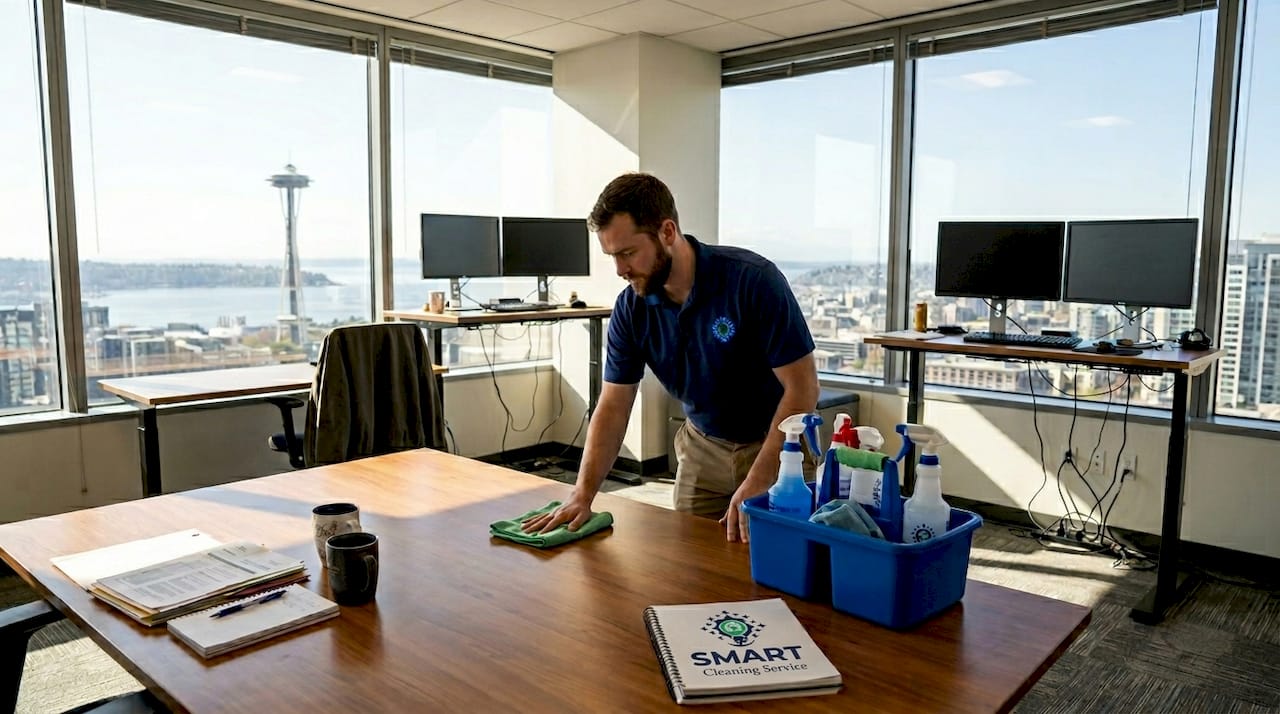
Every Seattle office manager knows the tension: operational budgets are tight, staff expectations are high, and the pressure to maintain a productive, healthy workplace is constant. What most managers don’t fully realize is that a clean office is not just aesthetically pleasing. It is a measurable driver of employee performance, health outcomes, and business results. Research shows that workers in clean environments are 94% more productive than those in cluttered or dirty ones. This article walks you through the criteria for effective office cleaning, the evidence behind its benefits, and practical protocols built for Greater Seattle workplaces.
Table of Contents
- Key criteria for prioritizing office cleaning
- Top benefits of a clean office environment
- Comparison: Routine, deep, and specialized cleaning options
- How to optimize office cleaning for Seattle environments
- Why most Seattle offices underestimate cleaning’s impact
- Take the next step: Professional office cleaning in Seattle
- Frequently asked questions
Key Takeaways
| Point | Details |
|---|---|
| Clean offices boost productivity | A professionally cleaned workspace can increase employee productivity by up to 94 percent. |
| Healthier workplace reduces absenteeism | Regular cleaning lowers employee sick days and supports a healthier environment. |
| Tailored protocols matter | Local Seattle offices benefit from customized cleaning schedules and advanced protocols. |
| Routine vs deep cleaning | Daily cleaning handles visible surfaces, while deep cleaning addresses hidden germs and allergens. |
| Pro cleaning saves effort | Outsourced services ensure compliance and free up your staff for core business tasks. |
Key criteria for prioritizing office cleaning
Now that you understand the importance, let’s break down how to prioritize office cleaning effectively. Not all cleaning is equal. There is a meaningful difference between cleaning and disinfecting, and confusing the two leaves your office vulnerable to illness and liability.
Cleaning vs. disinfecting: Cleaning removes visible dirt, dust, and debris using soap and water. Disinfecting kills pathogens on surfaces using EPA-registered products. CDC and EPA guidelines specify that surfaces must be cleaned first, then disinfected, using products with at least 1,000 to 5,000 ppm bleach concentration and a minimum five-minute contact time. Skipping the cleaning step before disinfecting is one of the most common mistakes offices make. The disinfectant simply cannot do its job properly when there is a layer of grime blocking it.
High-touch surfaces are the highest priority for daily attention. These include:
- Door handles, light switches, and elevator buttons
- Keyboards, mice, and shared phones
- Kitchen counters, coffee machines, and refrigerator handles
- Restroom fixtures and soap dispensers
- Conference room chairs and table surfaces
Seattle offices also need to factor in local conditions like wet shoes tracking in rain debris from October through April, elevated pollen counts in spring, and the dense foot traffic typical of tech campuses in Redmond and Bellevue.
Product selection matters enormously. Use only EPA-registered disinfectants and pair them with HEPA vacuum cleaners (High Efficiency Particulate Air filtration) that trap 99.97% of particles 0.3 microns or larger. Standard vacuums can actually redistribute fine dust and allergens rather than removing them.
Frequency standards vary by office type. A traditional office with low foot traffic can manage with daily surface wipes and weekly thorough cleaning. A tech campus or retail environment may need disinfection twice per week or more. Hybrid offices face a different challenge: workstations sit idle for days, and when employees return, stale air and settled dust create an unhealthy environment without a proper pre-occupancy flush.
Pro Tip: If your office has any staff with compromised immune systems, upgrade to EPA List G disinfectants, which are specifically certified against norovirus. This is a non-negotiable step that most offices skip because they assume it only matters in healthcare settings.
Top benefits of a clean office environment
With criteria in place, let’s see what the research shows about the measurable benefits of a clean work environment. The data is compelling, and it goes far beyond “the office looks nicer.”
The productivity connection is real and significant. Workers in clean offices score an average of 8 out of 10 on productivity measures, compared to just 5 out of 10 in disorganized or dirty workplaces, according to published research. A 6S workplace organization study found that cleanliness scores improved from 30% to 95% after structured cleaning programs were implemented, with productivity gains following closely behind. Wellness programs tied to clean environments show an average 10% productivity gain over baseline. For a 50-person Seattle office, that 10% gain can represent tens of thousands of dollars in recovered work hours every year.
Absenteeism drops measurably when offices commit to regular professional cleaning. Offices without structured cleaning programs see absenteeism rates around 3.5%. Offices with consistent protocols see that rate drop to 2.5%. That difference translates directly into retained payroll productivity and lower costs from temporary replacements or redistribution of work.
“A clean workplace is not a luxury. It is one of the highest-return investments a business can make in its workforce.”
Maintaining clean offices also shapes how employees feel about coming to work. Morale and workplace satisfaction are closely tied to the physical environment. When people walk into a space that smells fresh, looks organized, and has clean restrooms and kitchen areas, they feel valued. That feeling drives retention, which is one of the most expensive problems Seattle employers face given the region’s competitive talent market.
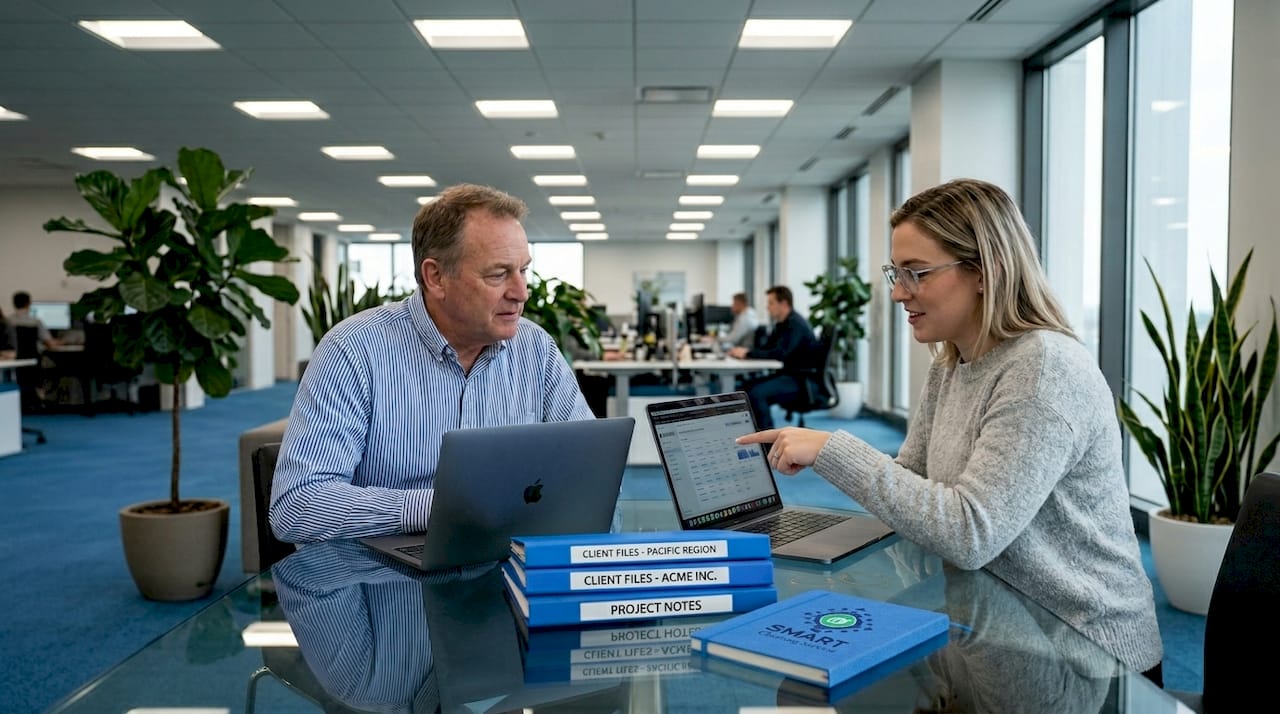
Client impressions count more than most managers acknowledge. A prospective client or business partner walking into your reception area forms an opinion within seconds. Dusty surfaces, smudged glass, or an odor from the break room communicates disorganization, not just poor cleaning. Research on real estate and tenant satisfaction consistently shows that clean, well-maintained spaces command more trust and stronger business relationships.
The benefits stack up quickly:
- Fewer sick days and lower healthcare costs
- Higher employee engagement and satisfaction scores
- Stronger brand perception with clients and visitors
- Reduced liability from allergen exposure or slip hazards
- Longer lifespan of office furniture, carpets, and equipment
Comparison: Routine, deep, and specialized cleaning options
Knowing the benefits, let’s compare the different cleaning methods and select the right approach for your space. Not every office needs the same solution, and overspending on unnecessary services is just as costly as undercleaning.
| Cleaning type | Frequency | What it covers | Best suited for |
|---|---|---|---|
| Routine cleaning | Daily or weekly | Surfaces, trash, restrooms, floors | All office types |
| Deep cleaning | Monthly or quarterly | Air vents, upholstery, grout, equipment | High-traffic offices |
| Specialized protocols | As needed | Air flush, norovirus disinfection | Hybrid or healthcare-adjacent |
Routine cleaning forms the backbone of any healthy office. It covers trash removal, floor sweeping and mopping, surface wiping, and restroom sanitation. Done consistently, it prevents the buildup that makes deep cleaning more labor-intensive and costly over time.
Deep cleaning goes beyond the visible surfaces. A thorough deep cleaning includes scrubbing grout lines, cleaning inside appliances, sanitizing air vents, shampooing carpets, and disinfecting behind and under furniture. Monthly deep cleaning is recommended for high-traffic spaces. Quarterly is the minimum for lower-traffic offices.
Specialized protocols address situations that routine cleaning cannot handle. For hybrid workplaces, this means running a pre-occupancy air flush using HEPA filtration before staff return to the office after an extended vacancy period. For offices that have experienced a norovirus outbreak or serve immunocompromised staff, EPA List G disinfectants and targeted surface treatment are required under Washington State protocols.
High-traffic Seattle offices in tech and retail sectors need disinfection at least twice per week, not once. That single frequency upgrade can cut illness-related absenteeism by a measurable margin. Kirkland office protocols reflect this reality, with many campus-style tech environments scheduling cleaning crews multiple times weekly.
Pro Tip: For hybrid offices, schedule a targeted air flush and HEPA vacuum cycle every time the office reopens after being vacant for 48 hours or more. Stale air and settled particulates are invisible but impactful, especially in Seattle’s damp climate where moisture can accelerate mold growth in unoccupied spaces.
Key considerations when choosing your cleaning type:
- How many people use the space daily and weekly?
- Are there shared kitchen or break room facilities?
- Does your staff include anyone with respiratory conditions or immune vulnerabilities?
- How often is the office vacant versus fully occupied?
- Do you have client-facing areas that need to look presentation-ready at all times?
How to optimize office cleaning for Seattle environments
With types compared, here’s how to apply these strategies in the Greater Seattle Area for maximum impact. Seattle’s climate, density, and workforce culture all shape what a smart cleaning schedule looks like in practice.
Step 1: Map your traffic patterns. Identify which areas see the most foot traffic and during which hours. For a tech campus open Monday through Friday with a hybrid model, peak cleaning need clusters around Monday mornings and Thursday afternoons.
Step 2: Adjust for Seattle weather. From October through April, wet shoes and umbrellas bring significant contamination to entry areas. Increase floor cleaning frequency in these zones and consider moisture-absorbent matting at all entry points.
Step 3: Build a pre-occupancy protocol for hybrid days. Before staff arrive after a multi-day vacancy, run HEPA vacuums, wipe high-touch surfaces, and flush restrooms. Bothell office managers using hybrid schedules have seen strong results from pre-occupancy routines that take less than 30 minutes per floor.
Step 4: Create a custom protocol for vulnerable staff. If any employees have disclosed respiratory conditions, autoimmune disorders, or other vulnerabilities, upgrade your disinfectants to EPA List G and increase restroom and kitchen cleaning to twice daily.
Step 5: Review and adjust quarterly. Office occupancy, staffing, and seasonal factors all change. A static cleaning schedule set in January will not serve you well in August when summer interns double your headcount.
Here is a practical data reference for Seattle office managers:
| Office type | Recommended cleaning frequency | Priority surfaces |
|---|---|---|
| Tech campus (100+ staff) | Daily routine, 3x/week disinfection | Keyboards, phones, restrooms |
| Retail office (50 staff) | Daily routine, 2x/week disinfection | Entry areas, counters, fitting rooms |
| Hybrid office (20 to 50 staff) | Pre-occupancy flush plus 2x/week routine | Desks, air vents, kitchen |
| Small office (under 20 staff) | 3x/week routine, monthly deep clean | Restrooms, shared surfaces |
Workspace optimization extends to air quality, surface material choices, and lighting, but cleaning remains the most controllable variable. For teams working in Redmond workspace environments, the combination of dense occupancy and collaborative layouts makes regular disinfection especially critical.
Why most Seattle offices underestimate cleaning’s impact
Having explored actionable strategies, let’s look at why so many Seattle-area offices fail to realize the full benefits of professional cleaning. This is something we see consistently, and the pattern is worth naming directly.
Most office managers treat cleaning as a fixed cost to minimize rather than an investment to optimize. The logic sounds reasonable: cut the cleaning budget, save money, spend it where it “matters more.” But the real cost calculation rarely gets done. When one employee misses two days of work because of a preventable illness picked up from a contaminated shared phone, the cost of that absence almost certainly exceeds what a month of professional cleaning would have cost.
Seattle’s environment adds specific layers of risk that offices elsewhere may not face. The prolonged wet season creates conditions where mold and mildew can establish in poorly maintained spaces faster than in drier climates. Buildings that use a lot of carpet, which is common in older Eastside offices, hold moisture and allergens longer. These are not hypothetical risks. They are factors that drive real sick days and real discomfort for your staff.
There is also a morale cost that never shows up on a balance sheet. Employees who work in visibly neglected spaces report lower job satisfaction, lower organizational pride, and a higher intention to leave. In a region where recruiting and retaining talent is one of the top challenges for growing companies, that cost is substantial.
The smartest thing we see Redmond offices do is treat cleaning as part of their workplace experience strategy, not their facilities budget. When cleaning is viewed through the lens of employee experience, the standards go up, the frequency increases, and the results are measurable in retention and satisfaction data.
Short-term savings on cleaning rarely hold up when you account for the full cost of absenteeism, turnover, client perception, and long-term asset degradation. A carpet that gets cleaned regularly lasts twice as long as one that gets cleaned only when it looks obviously dirty. That is not a small number when you are looking at commercial-grade flooring across an entire office floor.
Take the next step: Professional office cleaning in Seattle
Ready to see these benefits in your own office? Smart Cleaning Service works with offices across the Greater Seattle Area to build cleaning programs that match your schedule, your staff size, and your specific workplace environment. Whether you manage a hybrid tech office in Redmond or a busy retail operation in Bothell, a professional approach to cleaning pays for itself in productivity and health outcomes.
Our Seattle office cleaning services are designed to scale with your business, from weekly routine visits to specialized deep cleaning and pre-occupancy protocols for hybrid teams. We are licensed and insured, and we provide real-time updates so you always know what was done and when. Offices in Bothell trust us for consistent commercial cleaning and office maintenance that keeps operations running smoothly. If you are in Kirkland, our Kirkland office cleaning team is ready to build a program around your specific needs. Reach out today to get a custom estimate for your workspace.
Frequently asked questions
What is the difference between routine and deep office cleaning?
Routine cleaning handles daily surfaces, trash, and restrooms, while deep cleaning targets hidden grime, air vents, and specialized sanitization on a monthly or quarterly basis. CDC and EPA guidelines recommend cleaning before disinfecting to ensure surface-level debris does not block the product’s effectiveness.
How does office cleaning impact employee productivity?
Clean offices produce workers who score 8 out of 10 on productivity versus 5 out of 10 in dirty environments, and structured wellness and cleaning programs show an average 10% productivity gain. Reduced absenteeism is a direct and measurable result of consistent cleaning protocols.
How often should high-traffic Seattle offices be cleaned?
Tech and retail offices with high foot traffic need disinfecting at least twice weekly, and hybrid offices benefit from a HEPA air flush before staff occupancy after extended vacancies.
What cleaning products are safest for offices with medically vulnerable staff?
EPA List G disinfectants are certified for norovirus and are the recommended choice for offices with immunocompromised employees, following Washington State guidance for high-risk environments.
Should office managers outsource cleaning or use in-house teams?
Outsourcing to professional cleaners ensures consistent adherence to CDC and EPA protocols and brings equipment like HEPA vacuums and EPA-registered disinfectants that most in-house teams do not have access to.
Recommended
- Smart Cleaning Service™ House Cleaning Seattle Kirkland Bellevue Redmond
- Seattle Office Cleaning Services | Smart Cleaning WA
- Regular Home Cleaning Seattle | Smart Cleaning WA
- Smart Cleaning Service™ House Cleaning Seattle Kirkland Bellevue Redmond